10 Futuristic Cities Set to be Built in The Coming Years

10 Futuristic Cities Set to be Built in The Coming Years

Toyota Woven City © BIG

.

10 Futuristic Cities Set to be Built in The Coming Years Around The World


Global challenges, such as the housing crisis and climate change, have led to the unprecedented design of large-scale, master-planned, high-tech cities over the past two decades. New futuristic cities, built across many parts of the world, particularly in Asia, the Middle East, Africa, and Latin America, are attempts to create a relatively self-sufficient urban space geographically distinct from existing cities. Unlike extensions of existing urban centers, these purpose-built cities are autonomous entities that develop their own identities while offering a range of opportunities that make them attractive to the private sector.
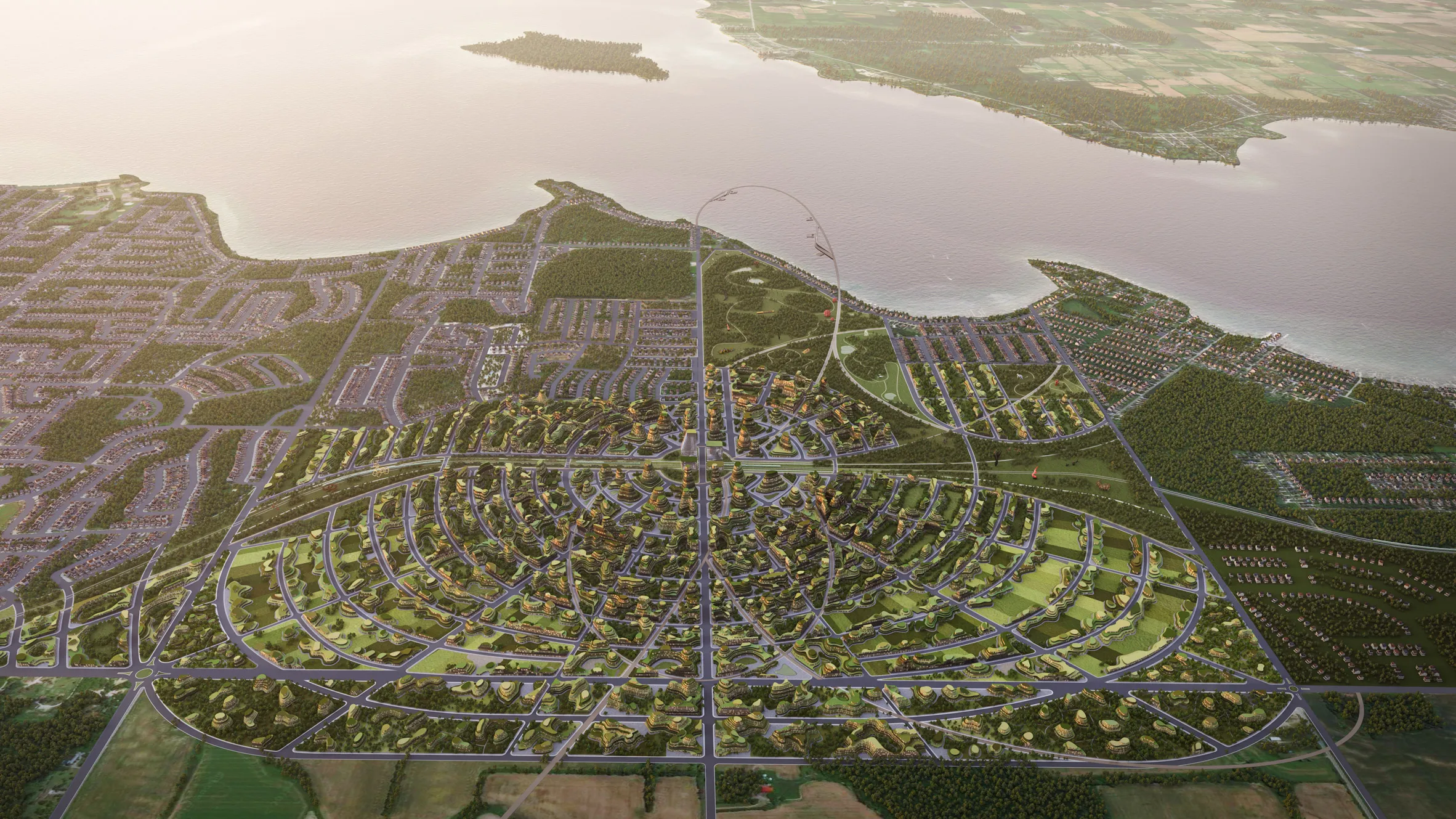
For developing economies, futuristic cities present a chance to stimulate growth, gain global visibility, and even redefine national identities. Computer-generated visualizations used in their design depict utopian visions of smart “eco-cities” that promise a more modern and prosperous future.

In this article, we examine 10 futuristic cities planned for construction around the world in the coming years:

1. Telosa
Location: USA
Architect: BIG

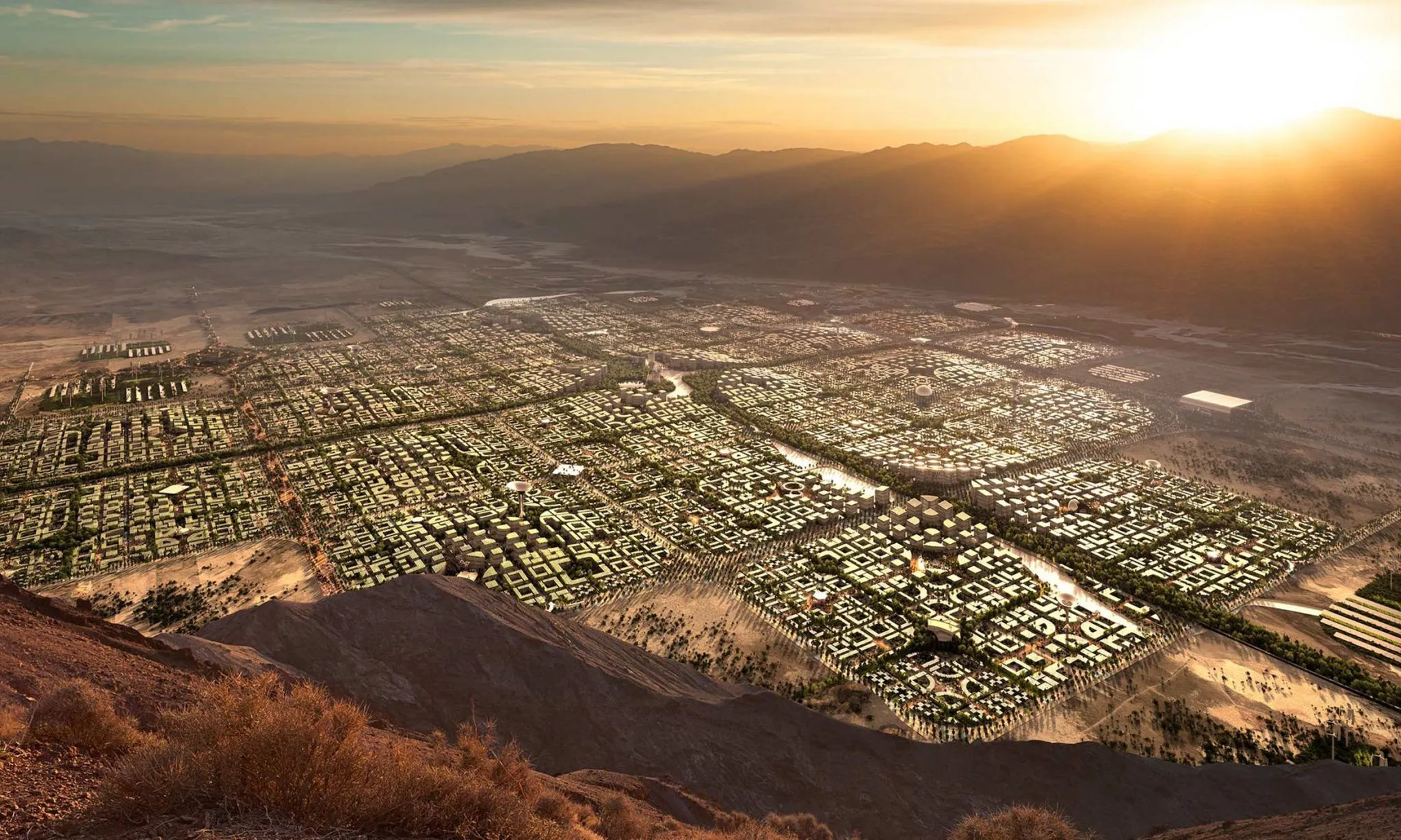
Designed by Danish architect Bjarke Ingels for Marc Lore, Telosa, a city designed for a population of five million, is being designed with a new urban concept in the United States. Built from scratch on a 150,000-acre vacant lot in the Andes desert, this city will set a global standard for urban living in the United States, expanding human potential and becoming a model for future generations.
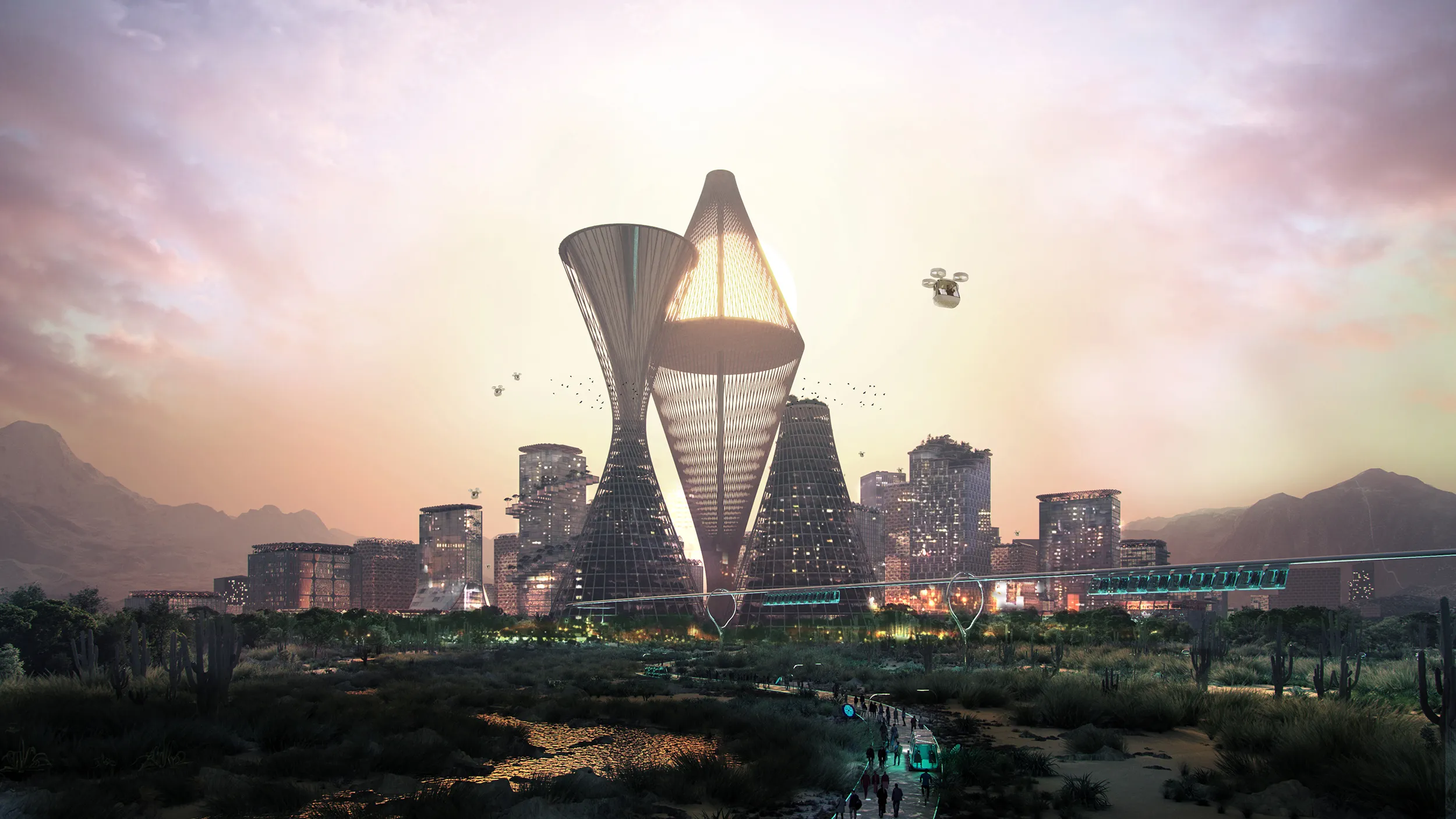
The first phase of the project, expected to be completed by 2030, will serve 50,000 residents, with the full development projected to host five million people by 2050. Positioned as a purpose-built city, Telosa offers a long-term vision that combines ecological resilience, technological systems, and an alternative governance model, creating a potential prototype for future urban development. Its urban design emphasizes accessibility and public space, placing schools, workplaces, and essential services according to the principles of the 15-minute city model. Mobility relies on bicycles, scooters, autonomous electric vehicles, and a Sky Tram network.
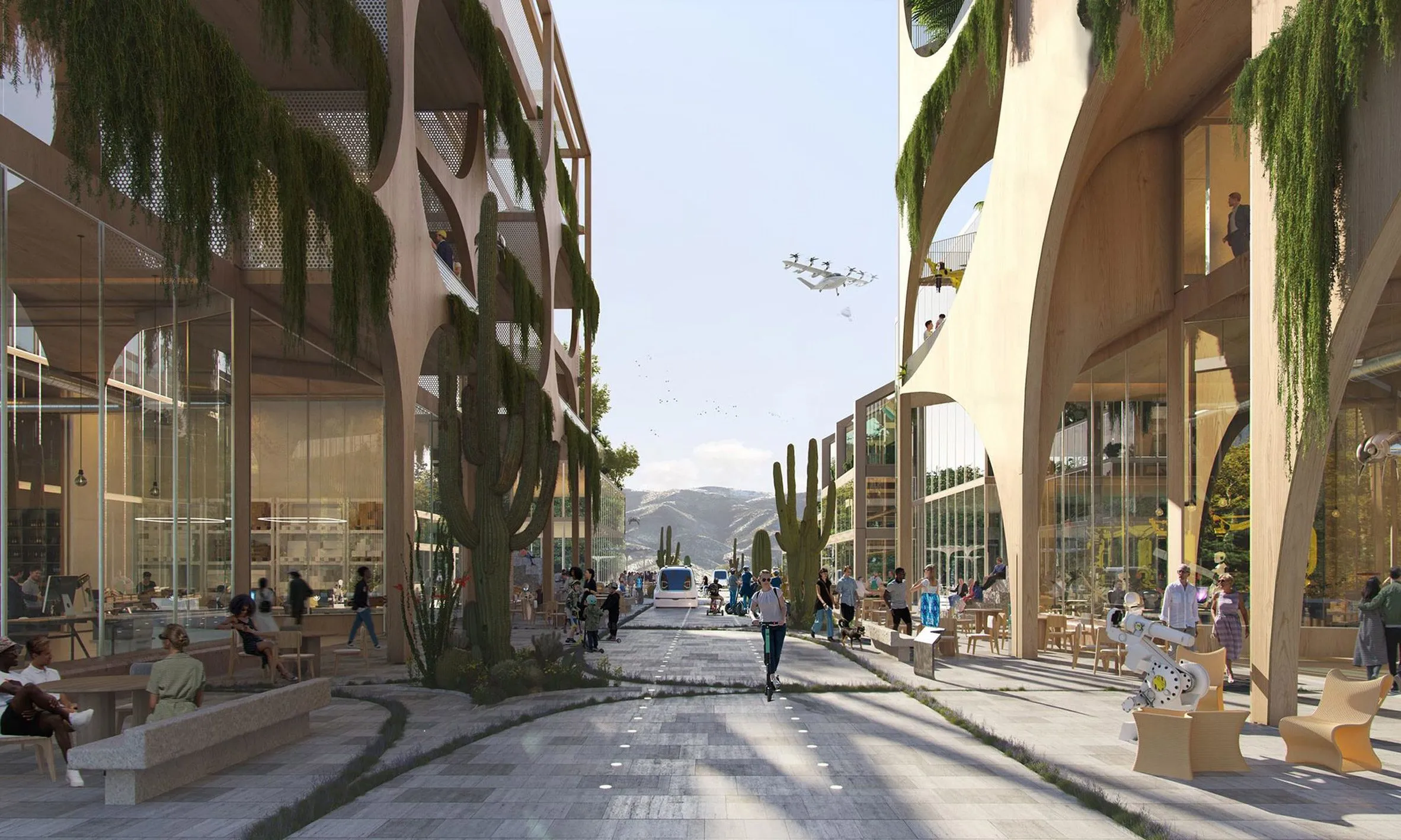
By combining renewable energy production, drought-resistant water systems, and environmentally friendly architecture, Telosa aims to create a framework for sustainable and equitable urban living. Located at the heart of the futuristic city, a wooden skyscraper called Equtism Tower is a landmark and a symbol of the city’s proposed economic model. Featuring aeroponic farms, photovoltaic roofs, and water-storage systems, the tower embodies the principle of Equitism, which ensures that land ownership and urban growth are structured to benefit all residents.

2. BiodiverCity
Location: Malaysia
Architect: BIG

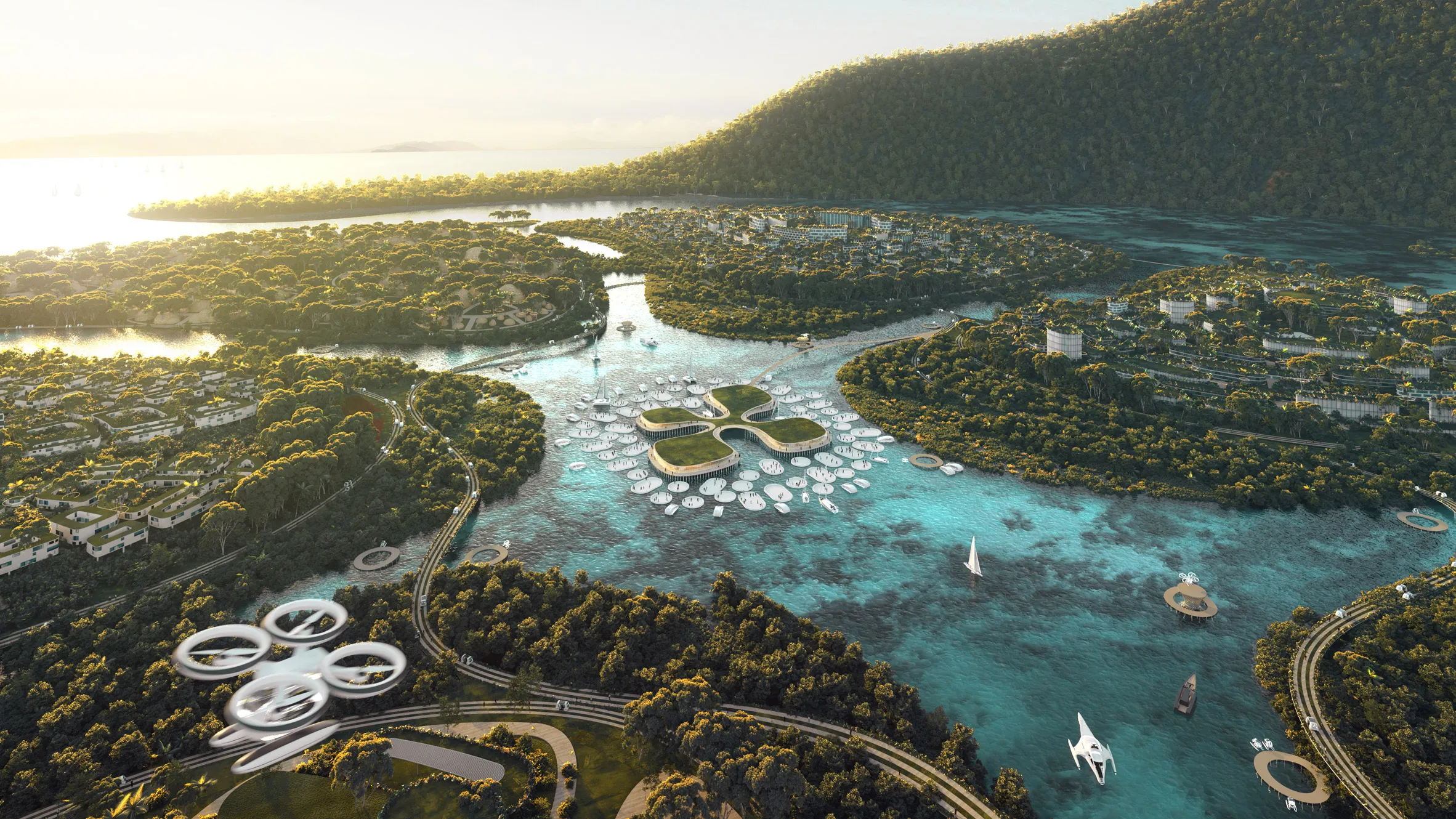
Proposed by BIG in collaboration with Ramboll and Hijjas, the BiodiverCity master plan for the Penang South Islands is envisioned as a sustainable destination where cultural, ecological, and economic growth are secured, and where people live in harmony with nature in one of the most biodiverse regions on the planet. Encompassing 1,821 hectares, this master plan aims to connect three artificial islands with an autonomous transportation network. Each island, modeled after a lotus leaf, will comprise mixed-use neighborhoods, 4.6 kilometers of public beaches, 242 hectares of parks, and a 25-kilometer coastline.
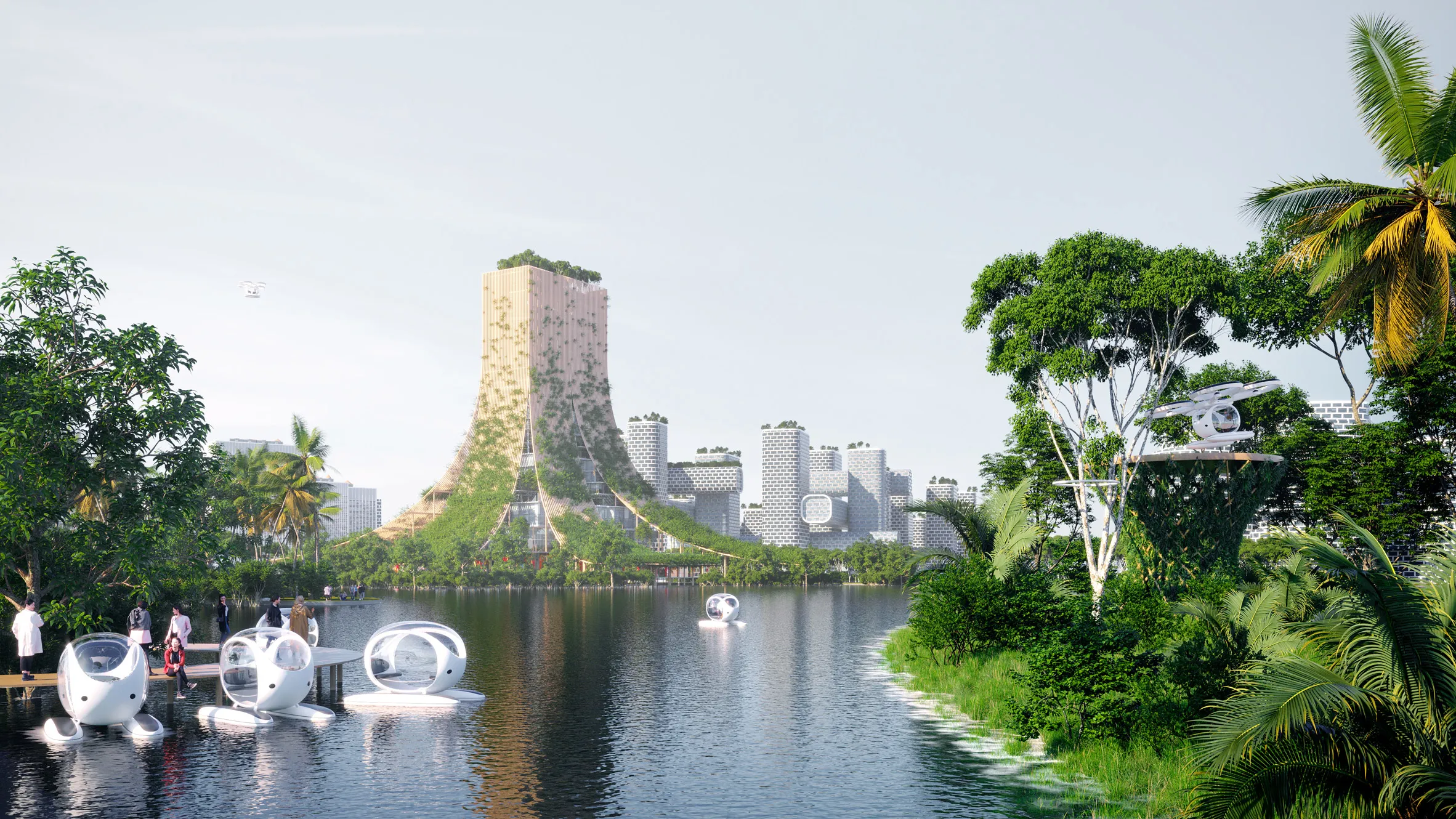
Each island district is planned to accommodate between 15,000 and 18,000 residents, while much of BiodiverCity’s construction will use a combination of bamboo, Malaysian timber, and “green concrete” made with recycled materials. Relying on local water resources, renewable energy, and waste management, BiodiverCity will be connected by an autonomous water, air, and land transportation network, creating a car-free environment. A network of ecological corridors, called buffers, ranging from 50 to 100 meters, will be located around the buildings and neighborhoods, serving as nature reserves and parks to support biodiversity.
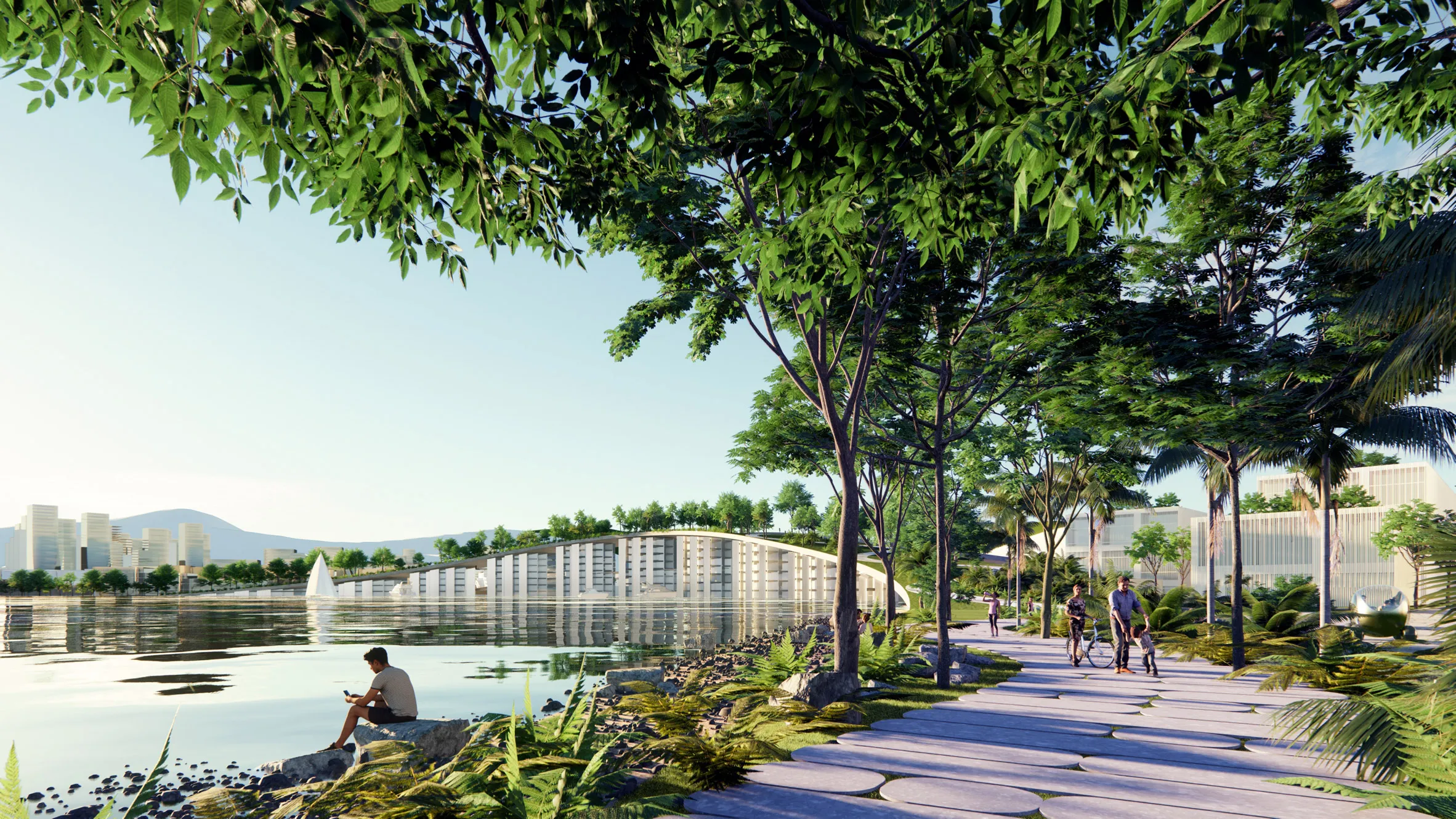
In the master plan, the first island, called The Channels, will include Civic Heart, an area hosting government and research institutions, as well as the Culture Coast, a district inspired by the state capital, George Town. A 200-hectare digital park located at the heart of the island will invite locals and visitors to explore the world of technology, robotics, and virtual reality. BiodiveCity’s second island, Mongrovers, will house Bamboo Beacon, a facility for conferences and large events. The final island, Laguna, described by BIG as a miniature archipelago, comprises eight smaller islands arranged around a central marina.

3. Toyota Woven City
Location: Japan
Architect: BIG

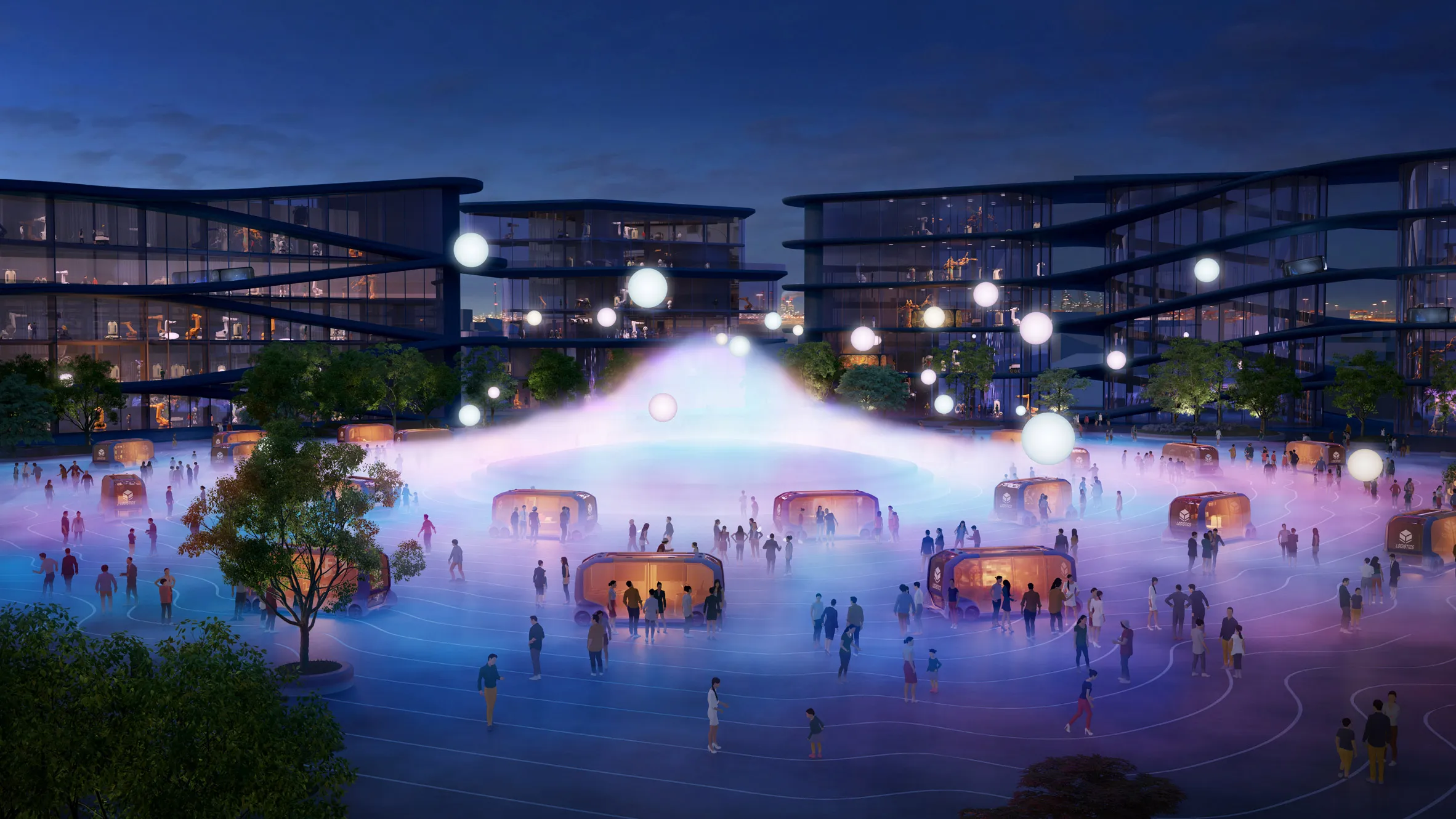
Designed by BIG for Toyota as the “mobility of the future,” the smart city Woven City is located on the former 70-hectare site of Toyota Motor East Japan’s Higashi-Fuji Plant in Susono City, Shizuoka Prefecture, near the foothills of Mount Fuji. Designed as a living laboratory to test and develop mobility, autonomy, connectivity, hydrogen-powered infrastructure, and industrial collaboration, this futuristic city is a 175-acre cluster. The project aims to create a close-knit human community within a defined environment and proposes a connected city that establishes a new balance between vehicles, alternative mobility modes, people, and nature, envisioning a carbon-neutral society.
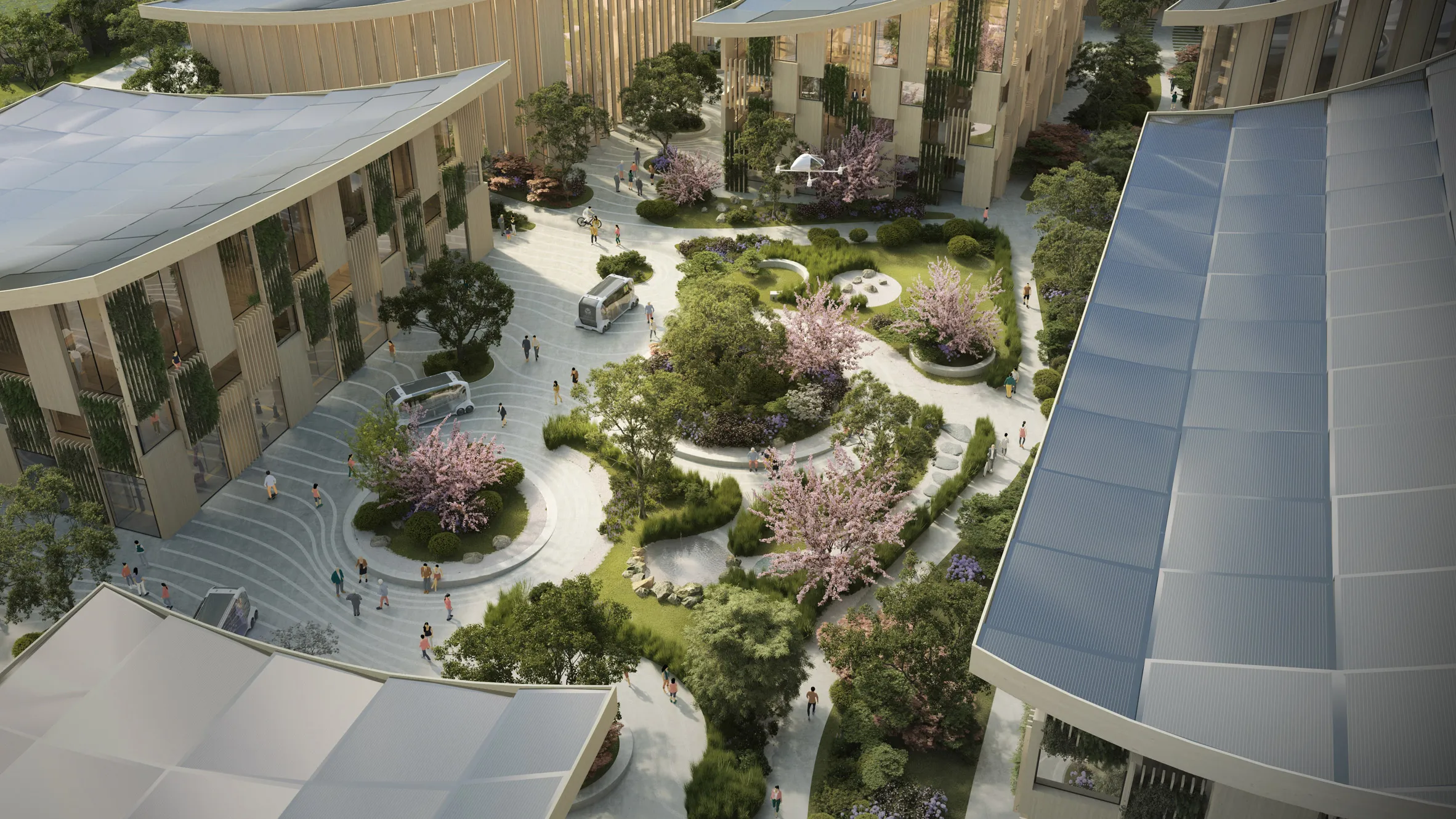
Toyota Woven City is shaped around three core concepts: a living laboratory, a people-centric and continuously evolving city, and a woven city. This intersection of social infrastructure, mobility, and people offers innovators, residents, and visitors a unique opportunity to seamlessly interact with new technologies throughout daily life in an environment that mimics a real city.
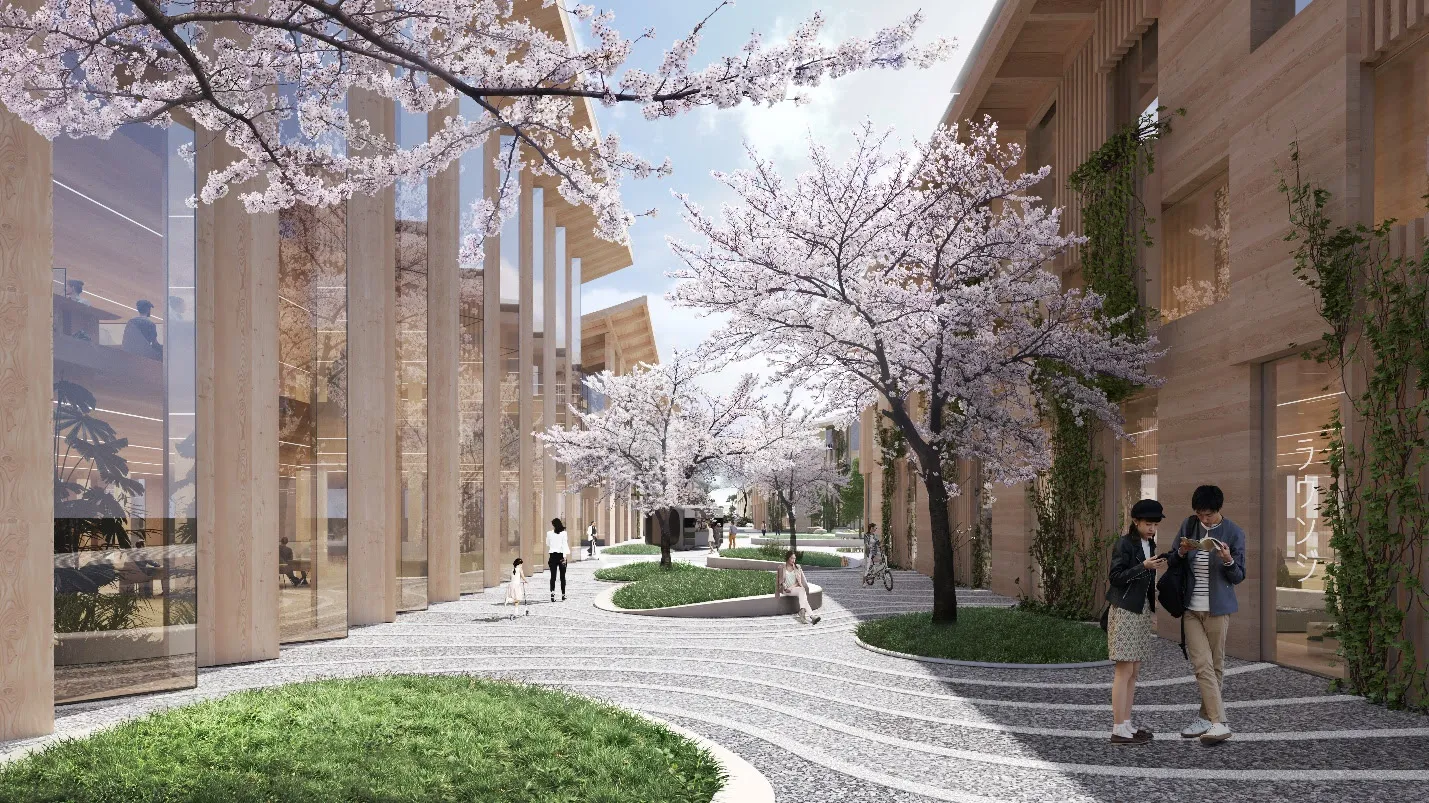
Powered by solar energy, geothermal energy, and hydrogen fuel-cell technology, the city establishes a flexible street network dedicated to various mobility speeds to ensure safer, pedestrian-friendly connections. The traditional road system is disrupted, dividing public space into three entities: a main street for faster autonomous vehicles, a recreational promenade for micromobility types, and finally, a linear park dedicated to people and nature.
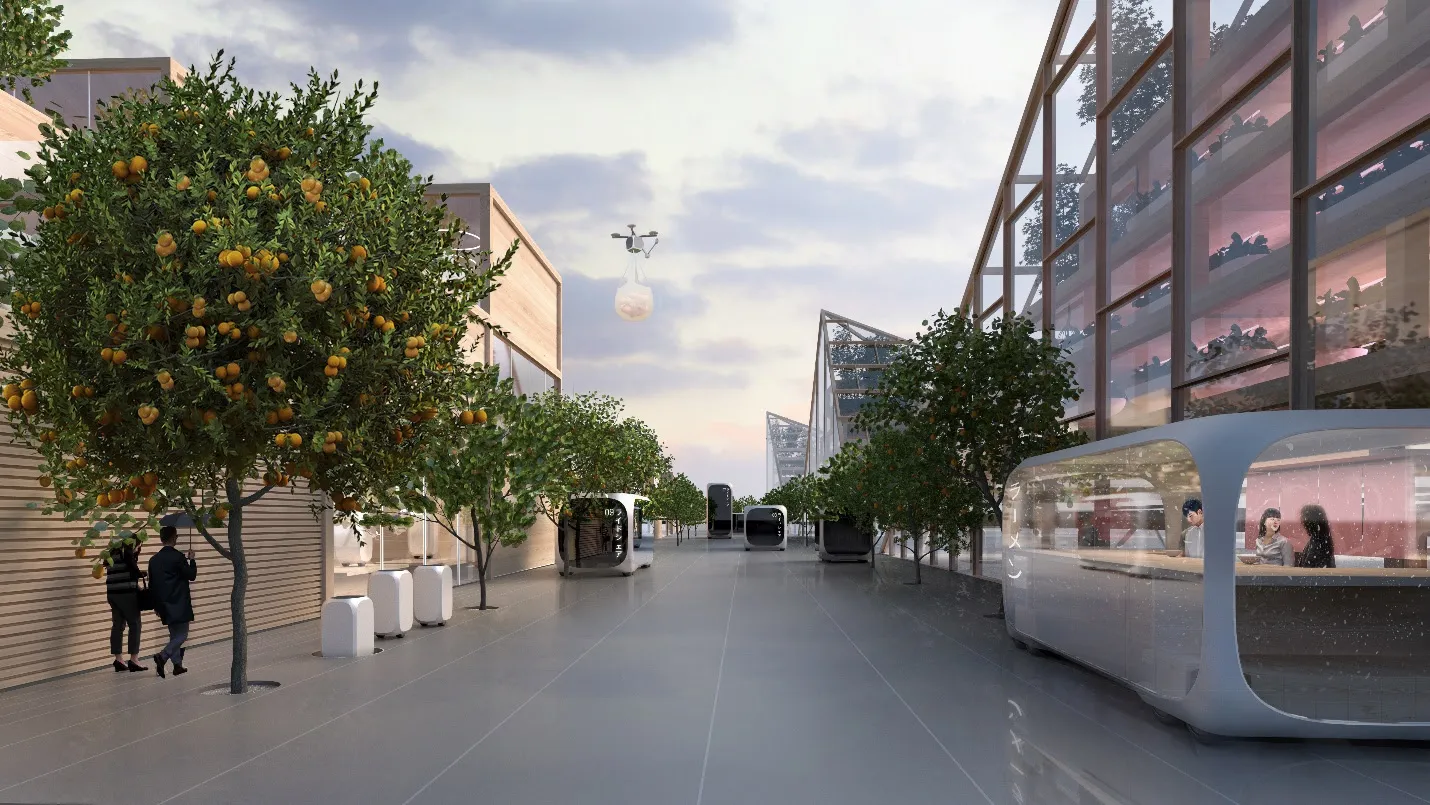
Designed with a 150-meter-wide woven grid plan, the 3×3 city blocks of Woven City each encircle a courtyard accessible solely through the promenade or linear park. Expected to house 2,000 people, the city’s mostly timber-built houses feature rooftop solar panels, while apartments are designed to provide residents with access to impressive terraces.

4. New Administrative Capital
Location: Egypt
Architect: SOM

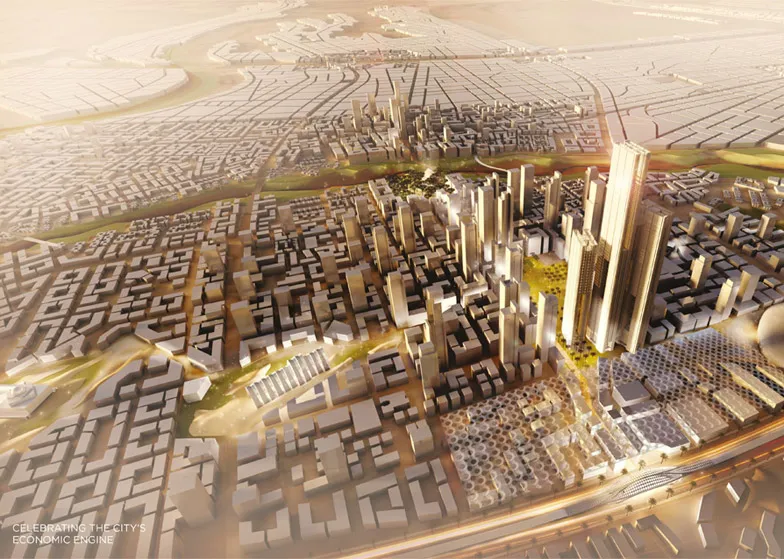
Constructed on a 700 km² site approximately 45 kilometers east of Cairo, Egypt’s New Capital was designed by SOM to suit the region’s cultural and climatic conditions. Designed to address the country’s growing population density, traffic congestion, and environmental challenges, this futuristic city’s master plan will support a growing economy while also creating a sustainable city.
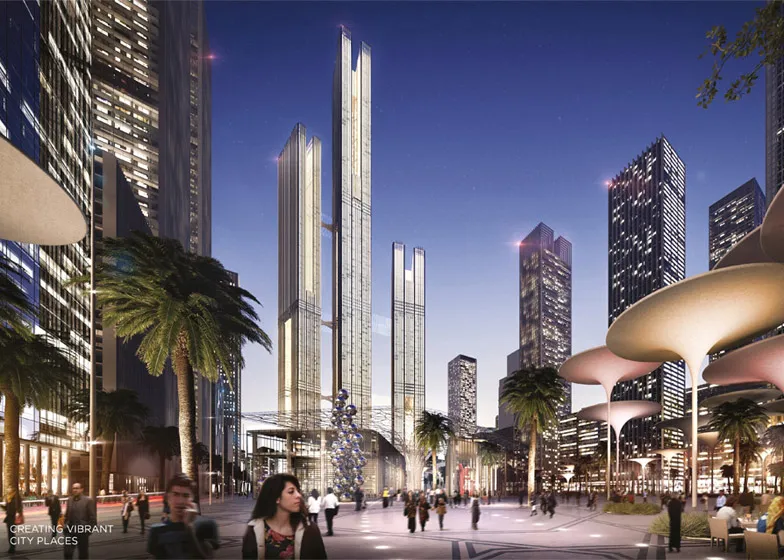
Designed to accommodate a population of seven million, the New Administrative Capital will ease Cairo’s rising population pressure by organizing the new urban district into commercial, administrative, cultural, and innovation zones. The city offers 100 unique residential housing opportunities, ranging from medium to high density, shaped by climate conditions. Passive cooling will be provided by natural ventilation, and local plant species will be used in the landscaping.
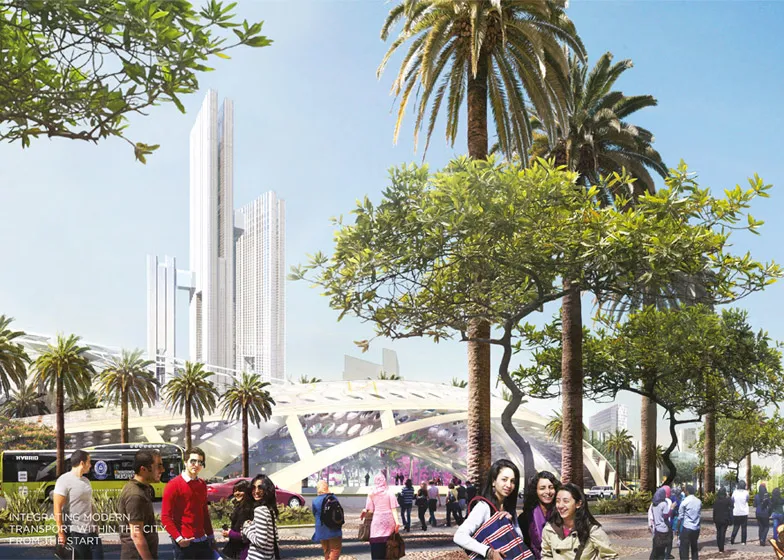
The new city, characterized by its compact urban form, replicates some of Cairo’s existing development patterns. Surrounded by a central public space housing shops, schools, religious buildings, and other functions, each neighborhood not only enhances accessibility but also reflects the neighborhood’s identity, drawing inspiration from the area’s traditional settlement patterns. Complementing Egypt’s national vision for a new renaissance, the New Administrative Capital represents a rare opportunity for citizens to express their aspirations for a better quality of life for all.

5. Amaravati
Location: India
Architect: Foster + Partners

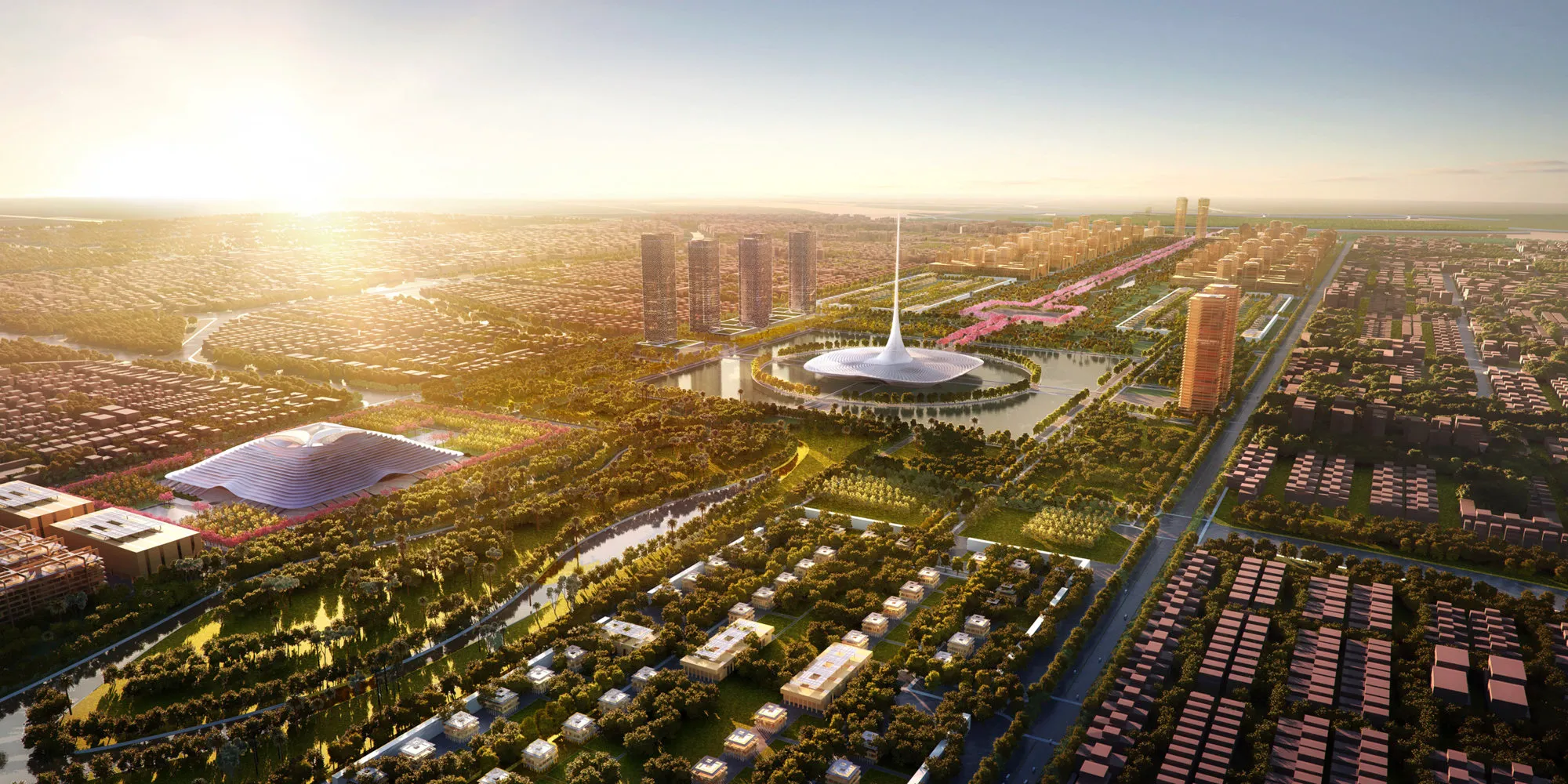
Designed by Foster + Partners, the city of Amaravati is planned as the new capital of the Indian state of Andhra Pradesh. This futuristic city, located on the banks of the Krishna River and spanning 217 kilometers, is strategically positioned to benefit from abundant freshwater resources and is poised to become one of the world’s most sustainable cities.
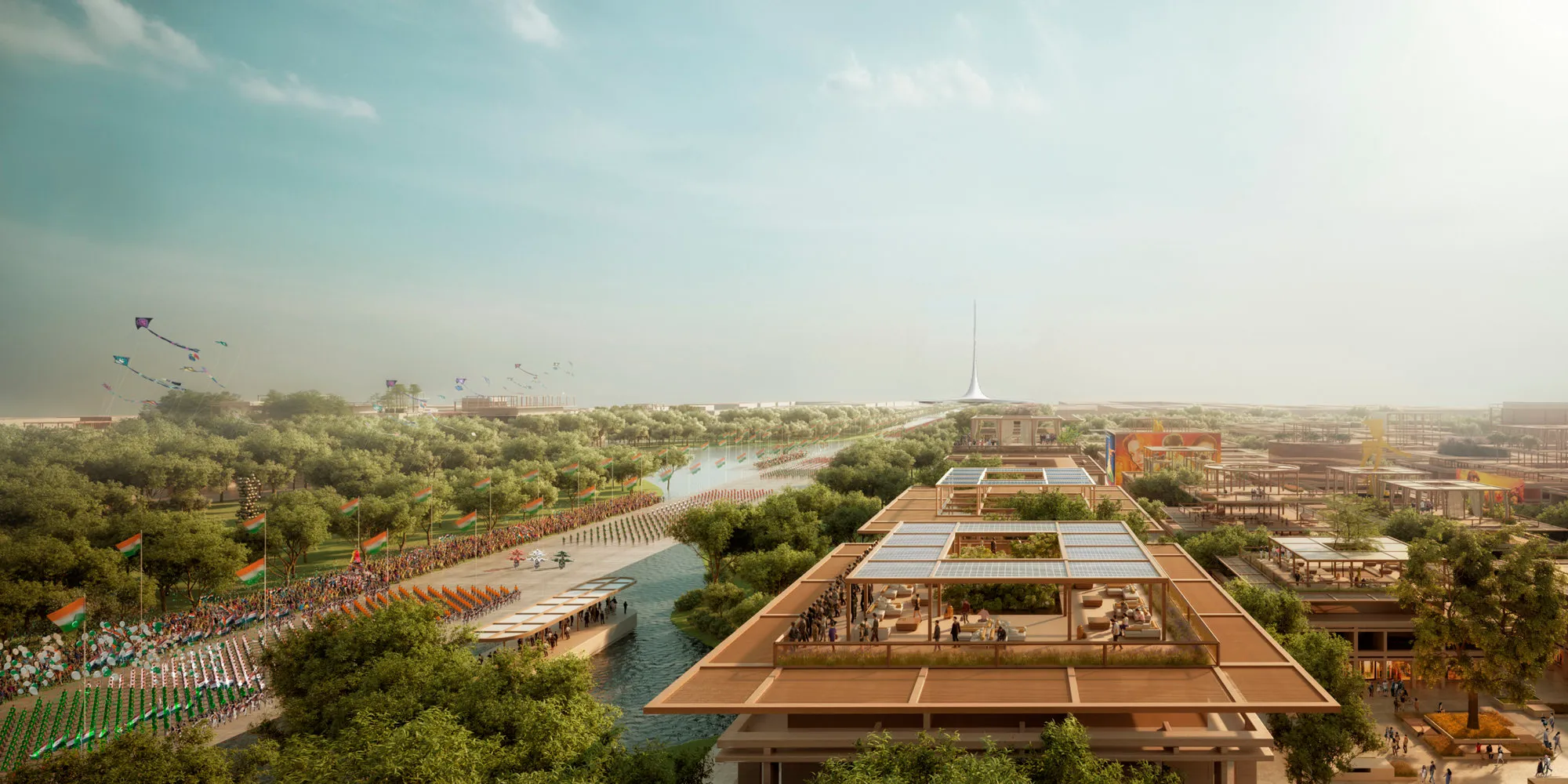
The Amaravati master plan includes the design of two major buildings: the Legislative Assembly and the High Court complex, along with several secretariat buildings that will house the state administrative offices. The government complex, measuring 5.5 x 1 kilometers, is located at the heart of the city and is defined by a strong urban grid that structures the city. A clearly defined green spine, with at least 60% of the area covered by greenery or water, forms the foundation of the master plan’s environmental strategy.
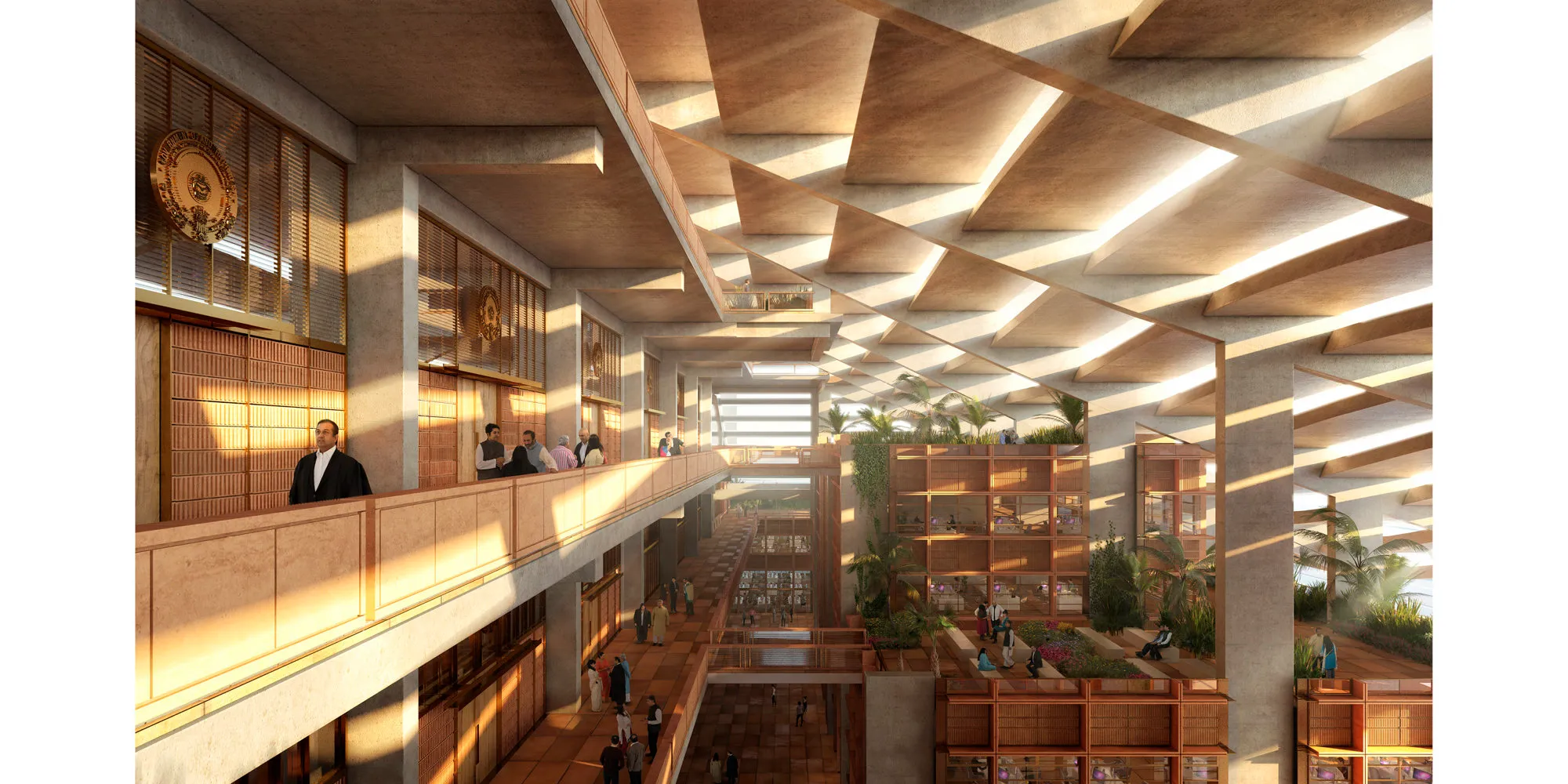
Designed to the highest sustainability standards using the latest technologies currently being developed in India, the city’s transportation strategy includes electric vehicles, water taxis, and dedicated bicycle paths, as well as shaded streets and squares to encourage people to walk around the city.
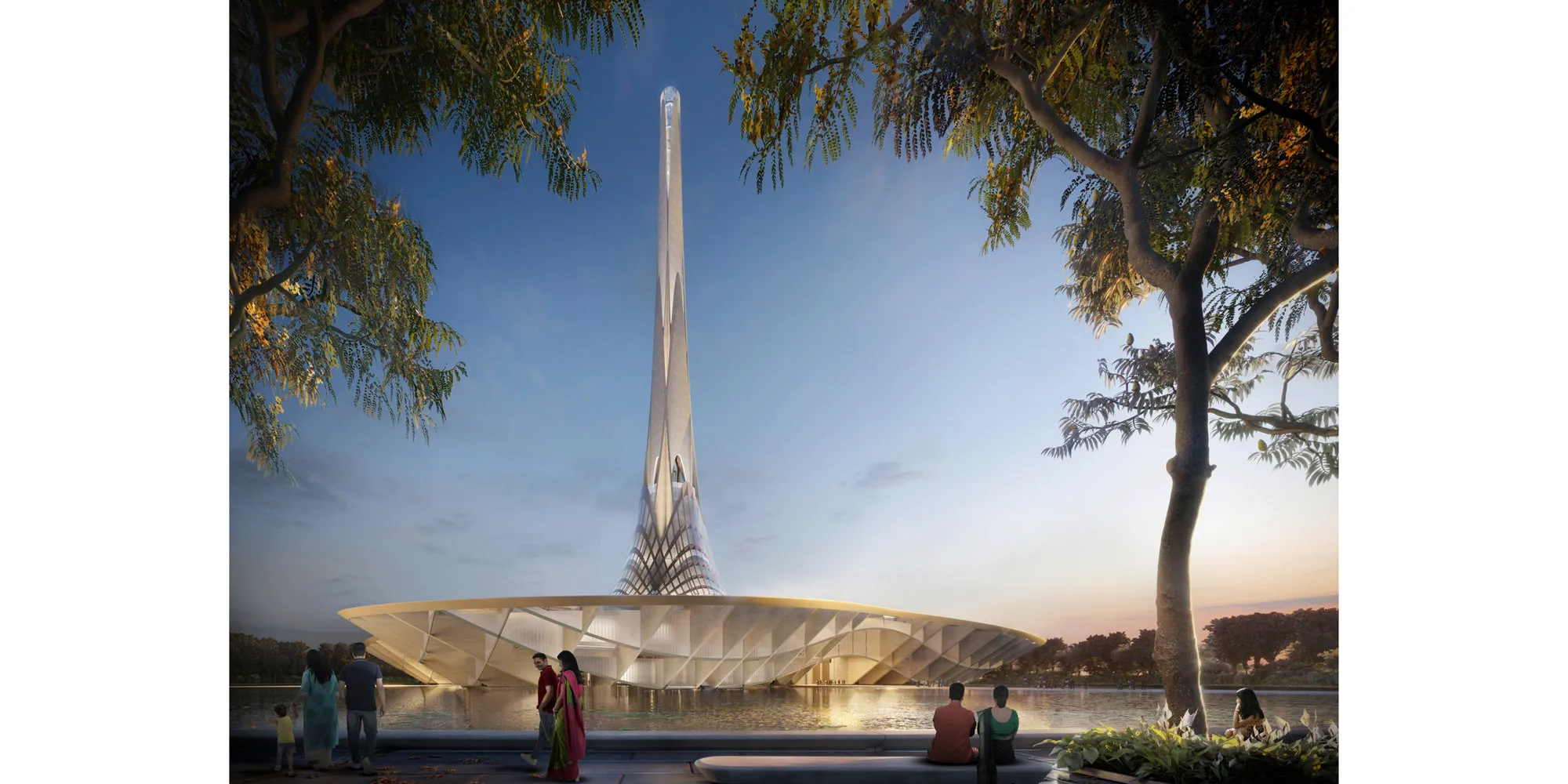
South of the riverfront lies a mixed-use neighborhood centered around 13 urban plazas, symbolizing the 13 districts of Andhra Pradesh. A democratic and cultural landmark, the Legislative Assembly building is located at the center of the green spine and is surrounded by the secretariat and cultural institutions. Based on Vaastu principles, the square-plan building has a public entrance from the north, while the ministerial entrance is from the east. Designed as a courtyard-like space, this center serves as a meeting space for the public and elected representatives. Protected by a 250-meter-high conical roof and a projecting eave, the building’s spiral ramp leads to the cultural museum and viewing gallery.
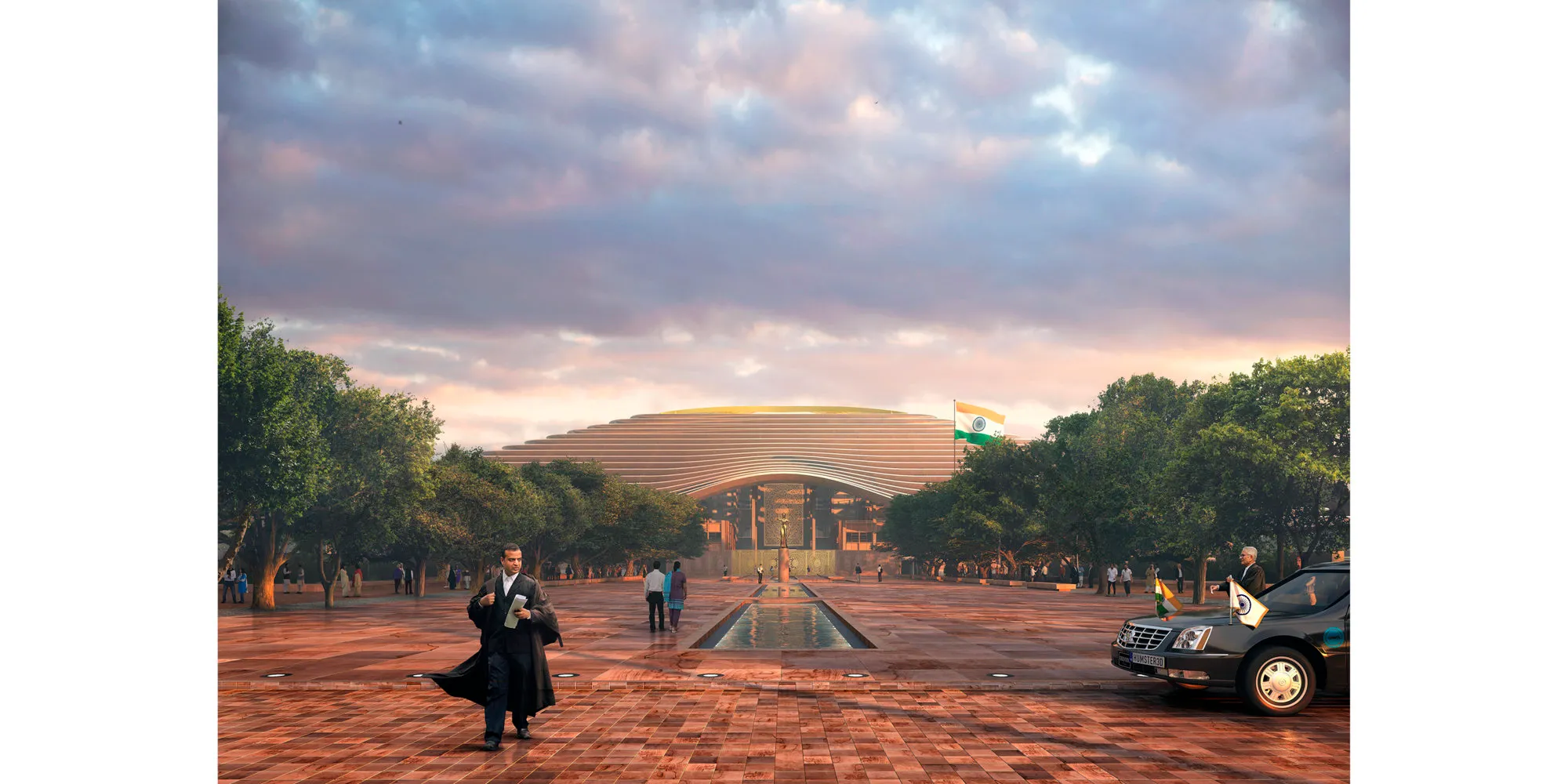
Situated off the central axis, the High Court complex features a stepped roof inspired by India’s ancient stupas. The roof’s deep overhangs not only provide shade but also naturally ventilate the building. Inspired by traditional temple layouts, the plan consists of alternating concentric rooms and circulation zones. The most public areas, the administrative offices and lower courts, are located on the outer edges of the building, while the interior spaces are reserved for the Chief Justice’s court and private chambers.

6. Smart Forest City
Location: Mexico
Architect: Stefano Boeri Architetti

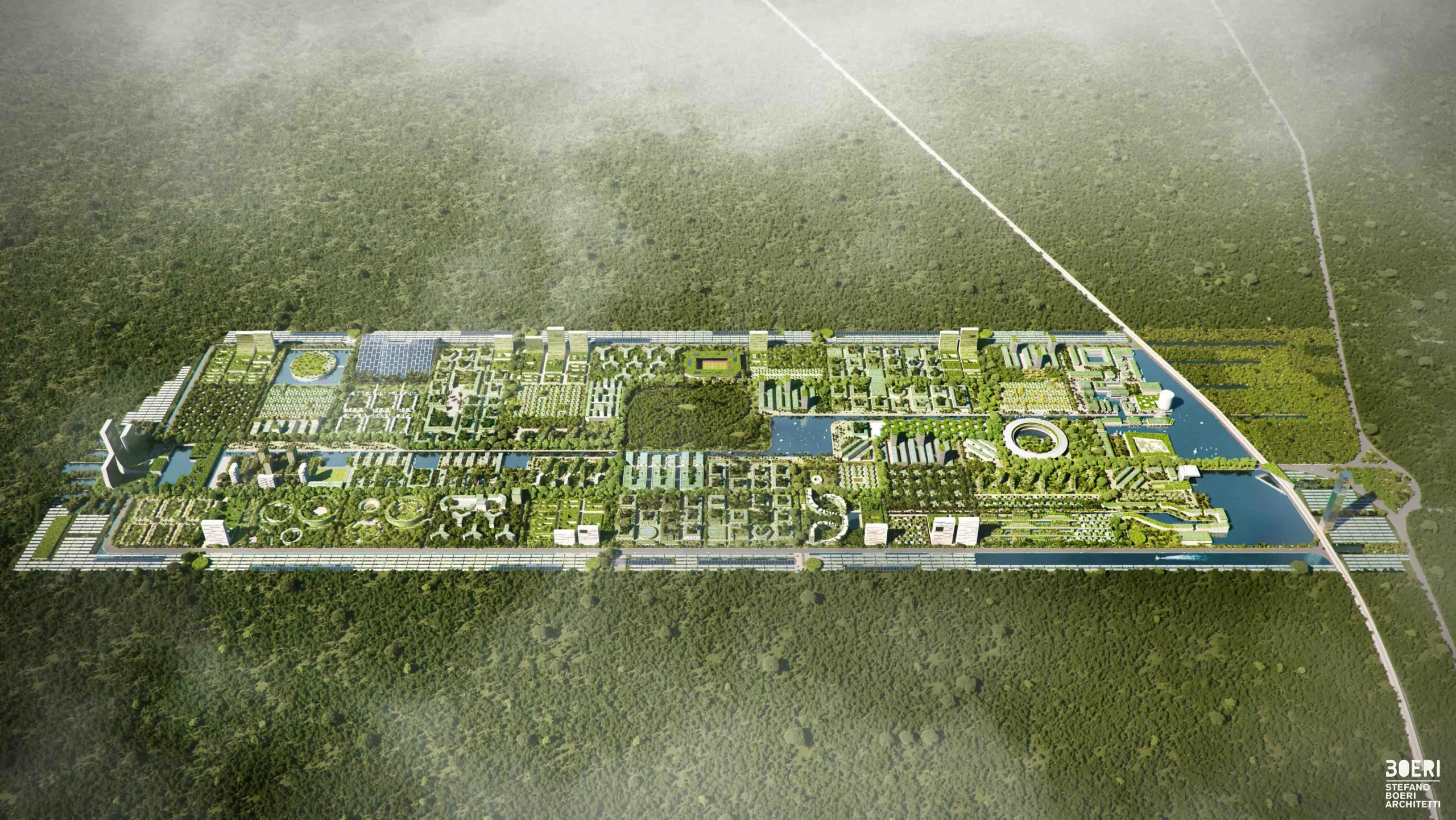
Focusing on innovation and environmental quality, Mexico’s first Smart Forest City was commissioned by Grupo Karim, and its master plan was designed by Stefano Boeri Architects. This futuristic city, an urban ecosystem where nature and the city intertwine as a single organism, is designed to pioneer ecologically efficient developments. Located on a 557-hectare site near Cancun, Smart Forest City offers accommodation for up to 130,000 people.
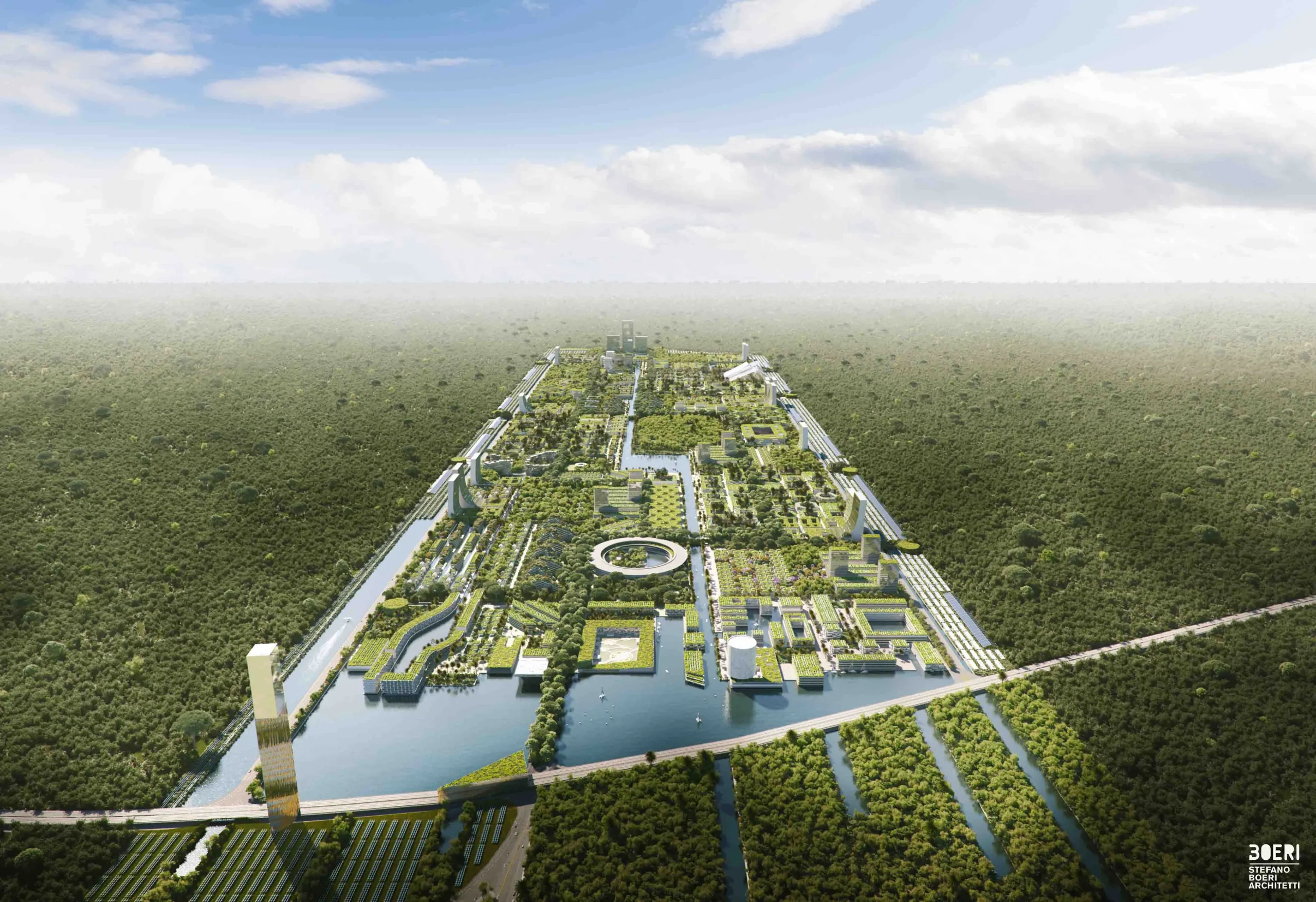
Based on an open and international urban design concept inspired by technological innovation and environmental quality, the Smart Forest City will feature 362 hectares of cultivated land and 120,000 plants from 350 different species selected by landscape architect Laura Gatti. A high-tech innovation center, part of Forest City, is a space where university departments, institutions, laboratories, and companies can address important global challenges such as environmental sustainability and the future of the planet.
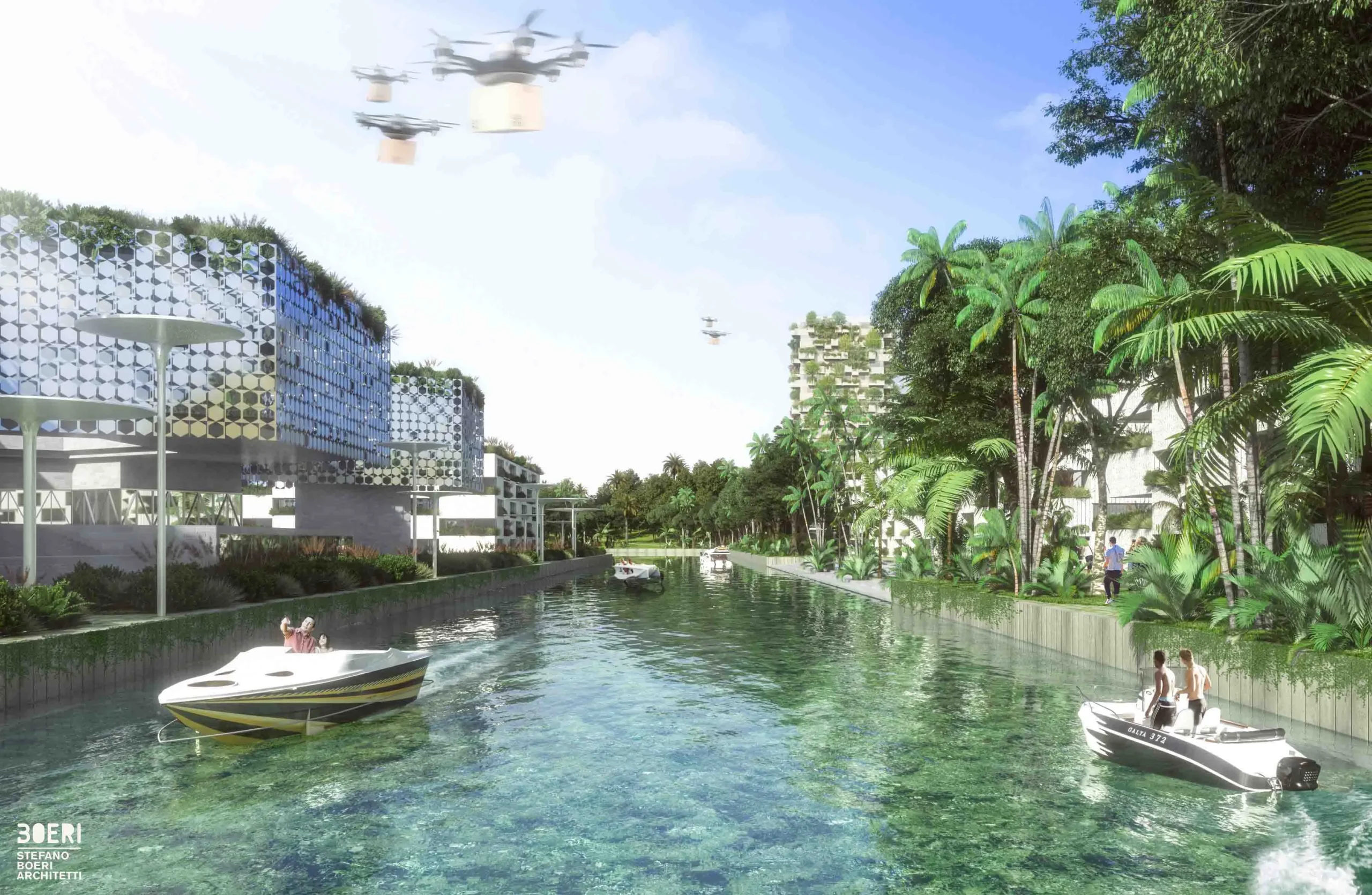
Smart Forest City is designed as a self-sufficient settlement for energy production, supported by a ring of photovoltaic panels and a water system connected to the sea through an underground channel. This setup encourages the development of a circular economy centered on water use. Water is collected at the city’s entrance by a large pier and a desalination tower, and distributed through a system of navigation channels to residential areas and surrounding agricultural lands. Designed as a pioneer in mobility, Smart Forest City is all-electric or semi-automatic, requiring residents and visitors to abandon all internal combustion engine vehicles within the city limits.
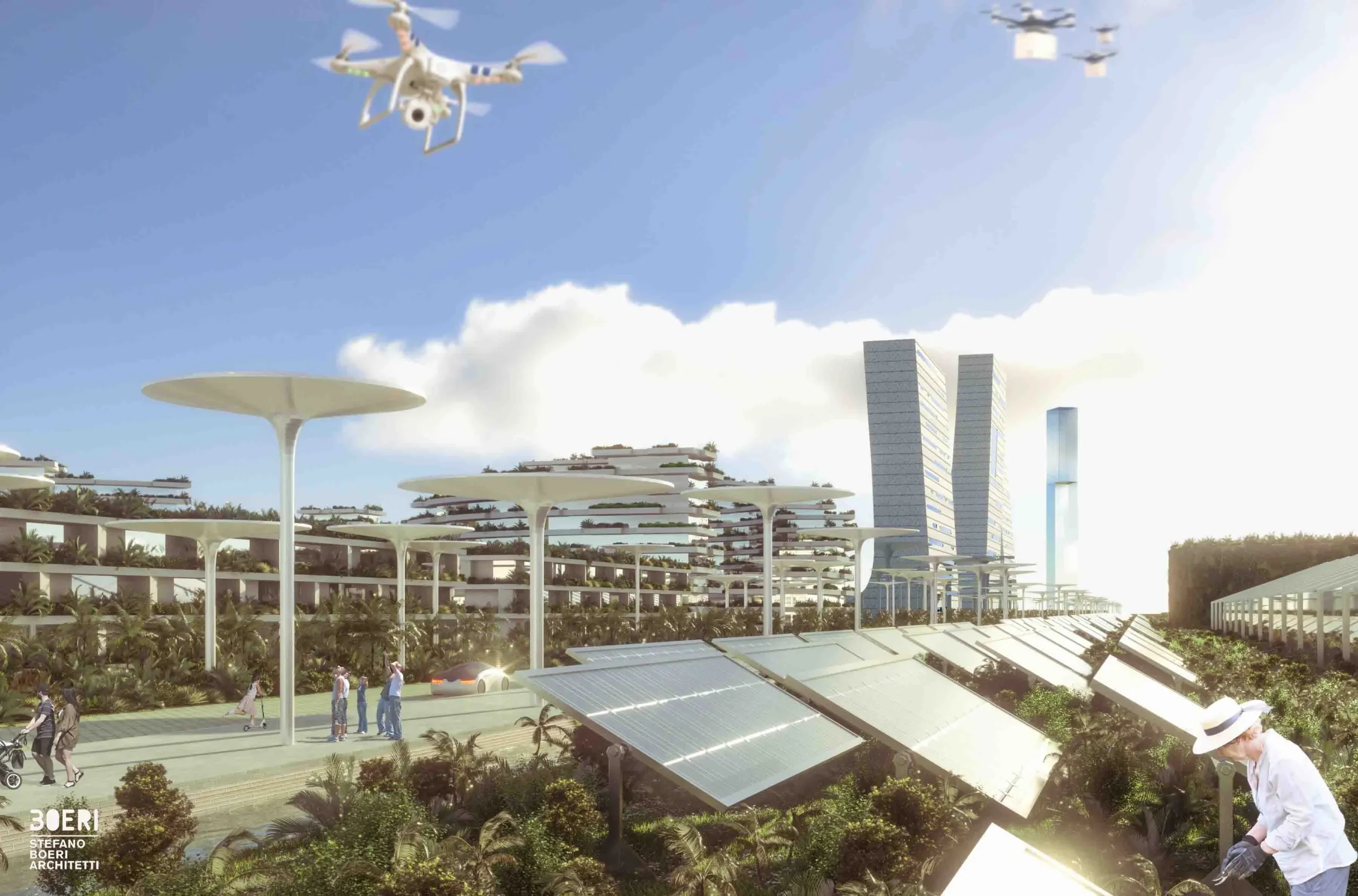
Designed according to the principles of Uncertain Urban Planning, the city allows remarkable flexibility in the distribution of architectural and building types. A botanical garden within a contemporary city, Cancun’s Smart Forest City is rooted in traditional local heritage and a connection to both the natural and sacred worlds. The path to detoxified and immaterial goods and services is comprised of the four Rs: reduction, repair, reuse, and recycling. By pursuing radically more eco-efficient solutions, beginning with reducing overall energy demand and waste generation, the Smart Forest City addresses these development needs by improving lifestyles and behaviors, particularly through the education and economic empowerment of women.

7. The Orbit

Location: Canada
Architect: Partisans
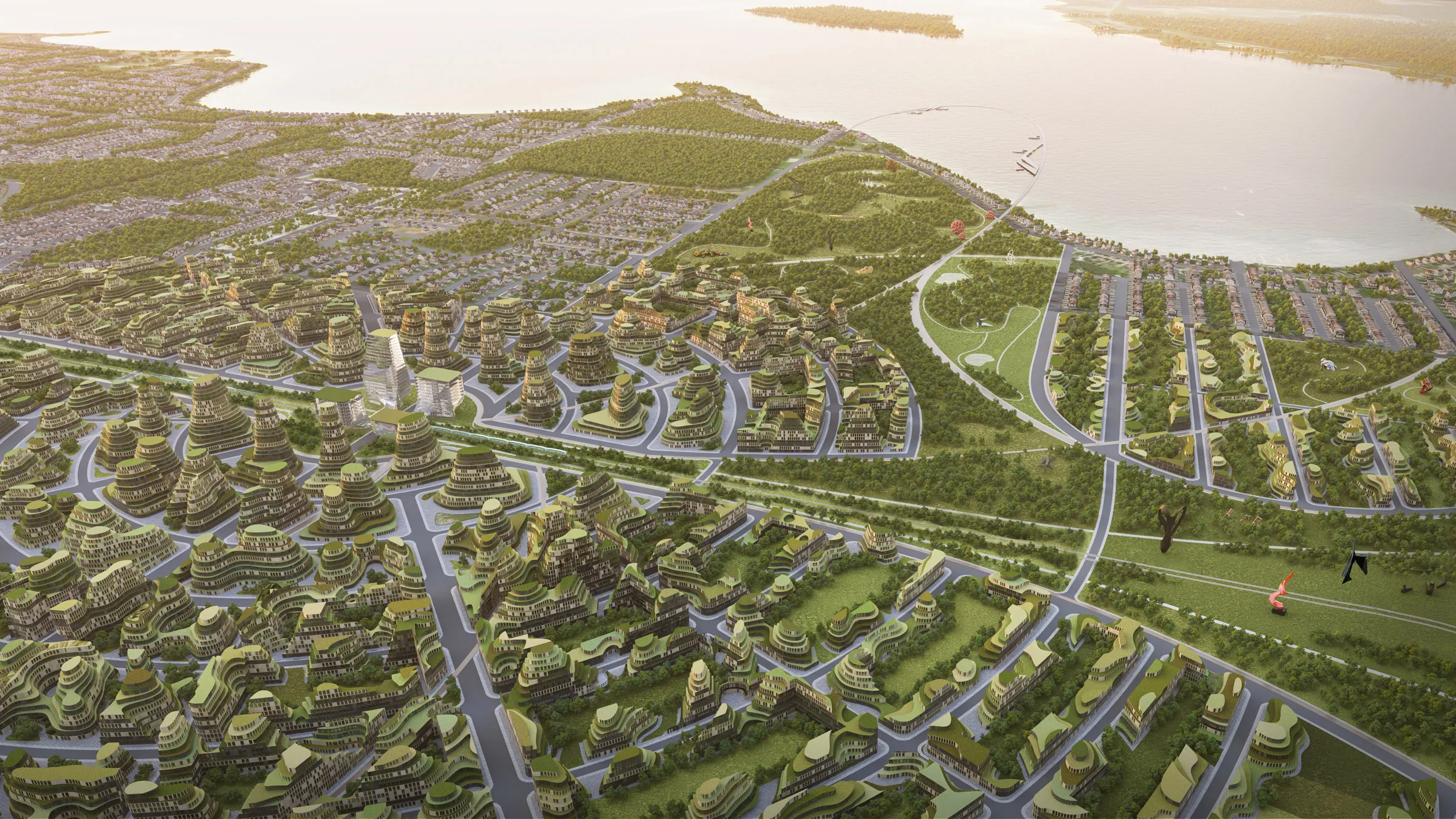
Designed by Partisans in anticipation of the arrival of high-speed mass transit connecting it to downtown Toronto, The Orbit is a vision for a state-of-the-art central neighborhood in the town of Innisfil, Canada. By combining autonomous vehicles and drone ports, the project aims to transform a Canadian town into a smart community, while preserving the existing agricultural and lush green environment, and incorporating a range of new technologies into a city of the future. The city, which integrates a fiber optic network—wires that quickly transmit information using optical technology—will connect development areas such as sidewalks, streets, and buildings.
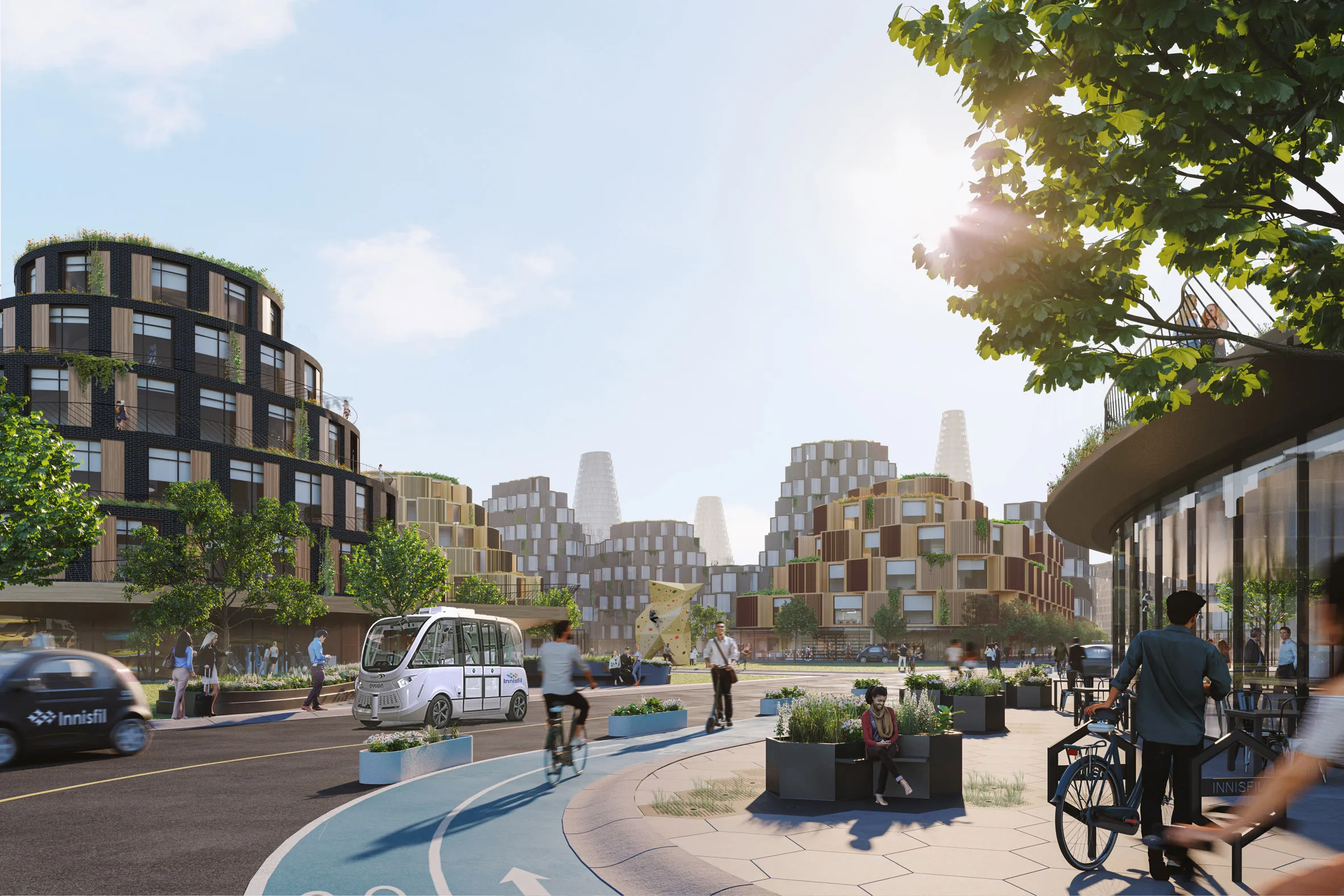
Representing the next stage of growth for Innisfil, The Orbit spans 450 acres and extends the garden-city tradition by embracing the town’s agricultural roots alongside 21st-century urbanism and architectural thinking. The Orbit boasts over 40 million square meters of built-up area. Home to 150,000 residents, the project will create a dynamic hub of activity for visitors and residents.
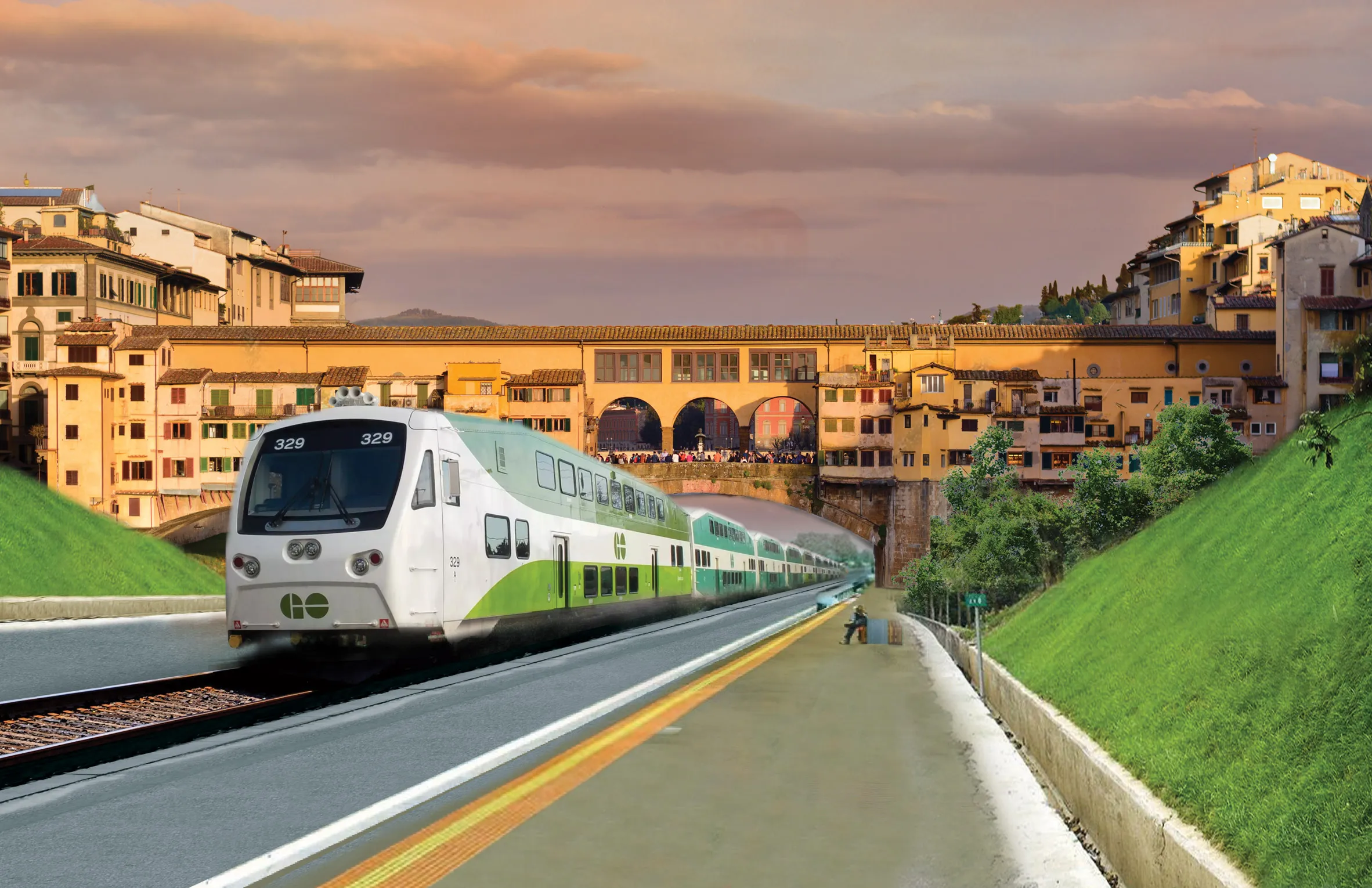
Eliminating the need to leave the area, the master plan will include a full range of community amenities and spaces within walking distance, including a school with a daycare center, office space designed for local entrepreneurs and traditional and non-traditional industries, year-round sports and recreation options, arts and cultural spaces, and more. The project’s health and wellness campus will be connected to larger hospitals in the area through technology.

8. Maldives Floating City
Location: Maldives
Architect: Waterstudio.nl3

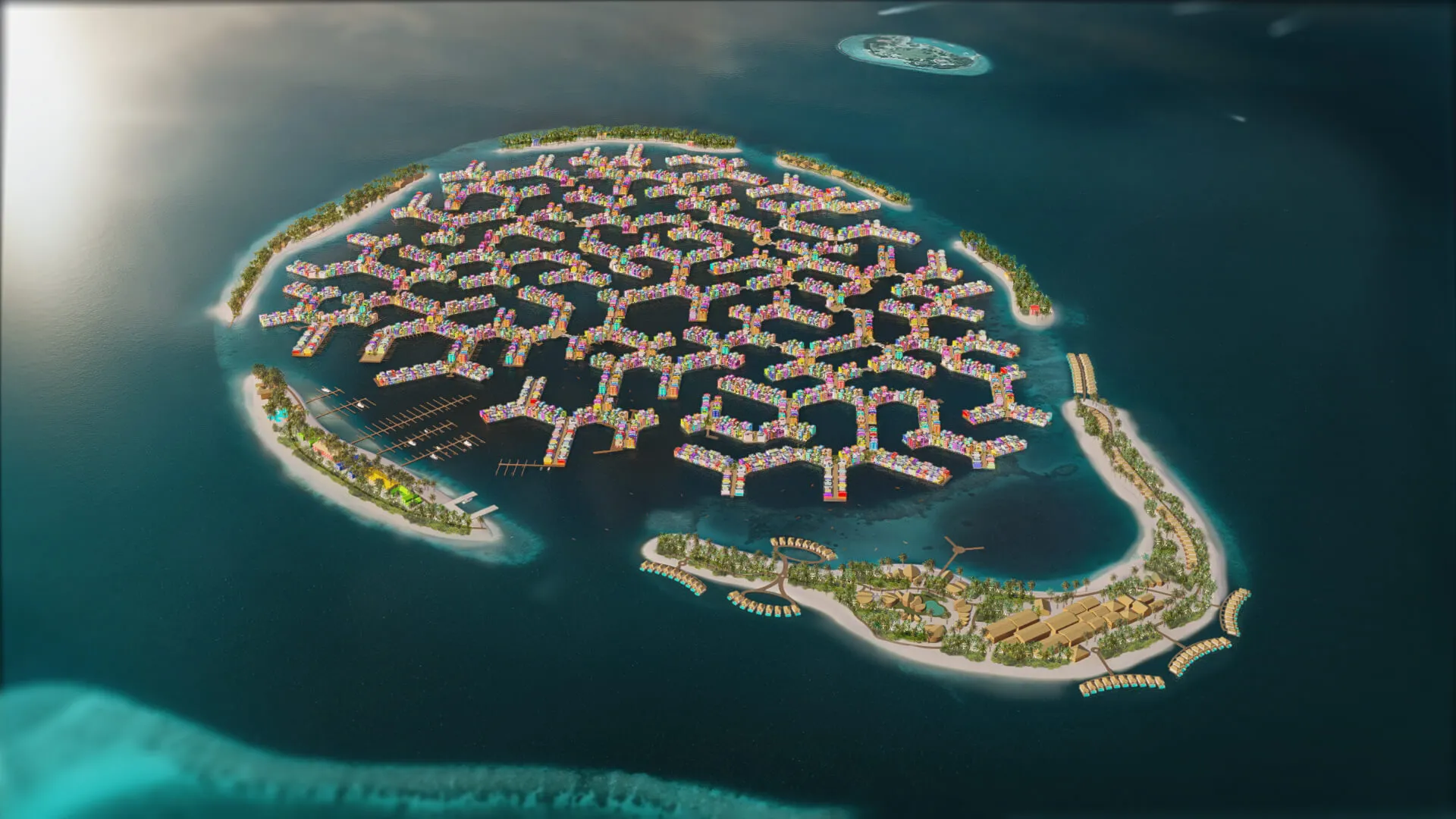
Designed as a benchmark for vibrant communities, the Maldives Floating City is the first “island city” located in a 200-hectare warm-water lagoon just 10 minutes by boat from Male. This project, the world’s first true floating island city, is inspired by traditional Maldivian maritime culture. Consisting of thousands of residences floating on a functional grid, the Maldives Floating City will accommodate 20,000 people.
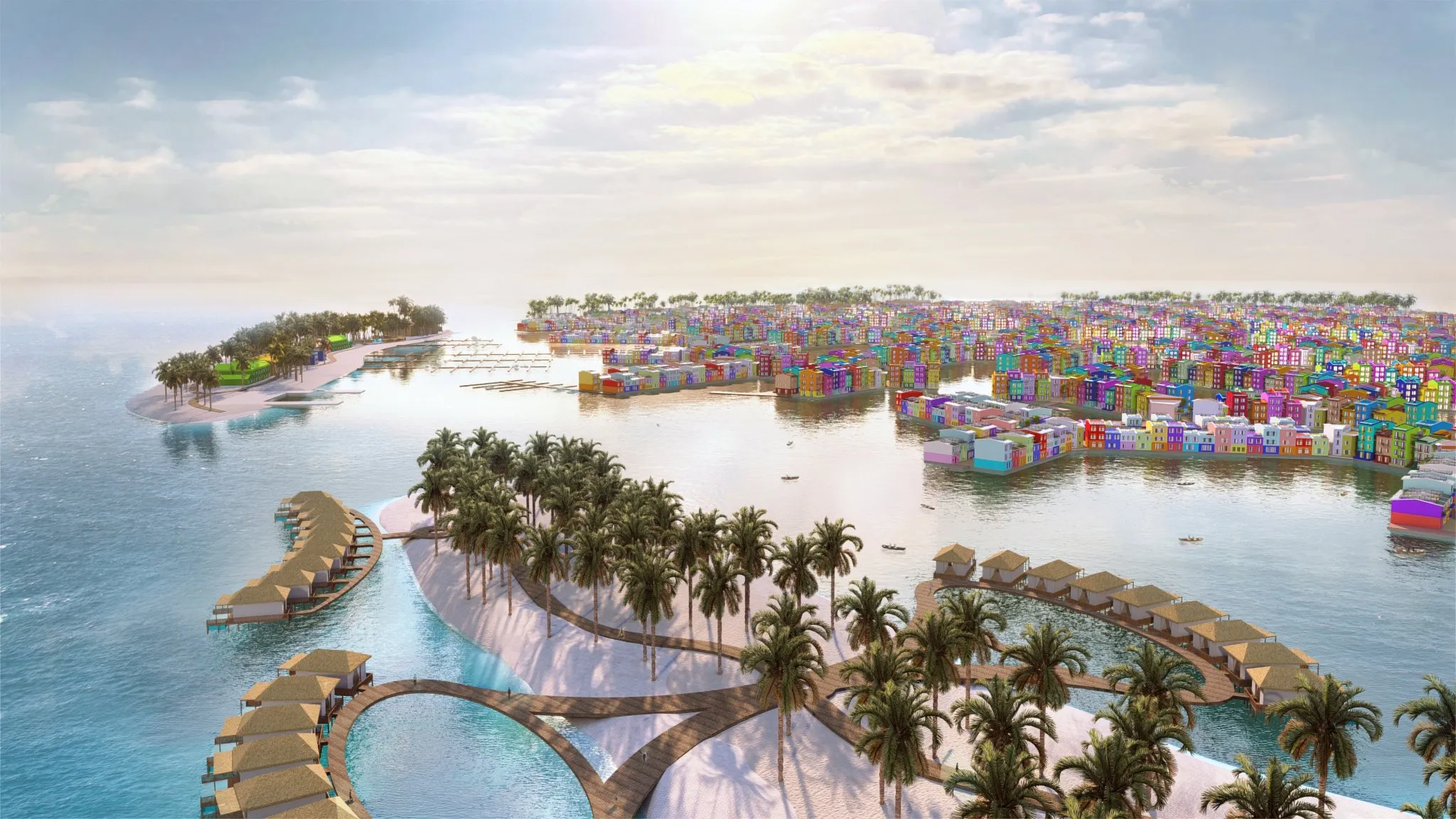
Embracing sustainability and livability in equal measure, the Floating City is rooted in the local culture of a seafaring nation that celebrates the strong bond between Maldivians and the ocean. The project stands out with its boat-based community, where canals function as logistics and transit routes, and land-based transportation is limited to walking and cycling on natural white-sand pathways. MFC features a nature-based network of roads and waterways efficiently organized like real brain coral formations. Designed with the concept of “next-generation sea-level rise-resilient urban development,” combining green technology, security, and commercial viability, the city transforms the Maldives into a climate innovator.
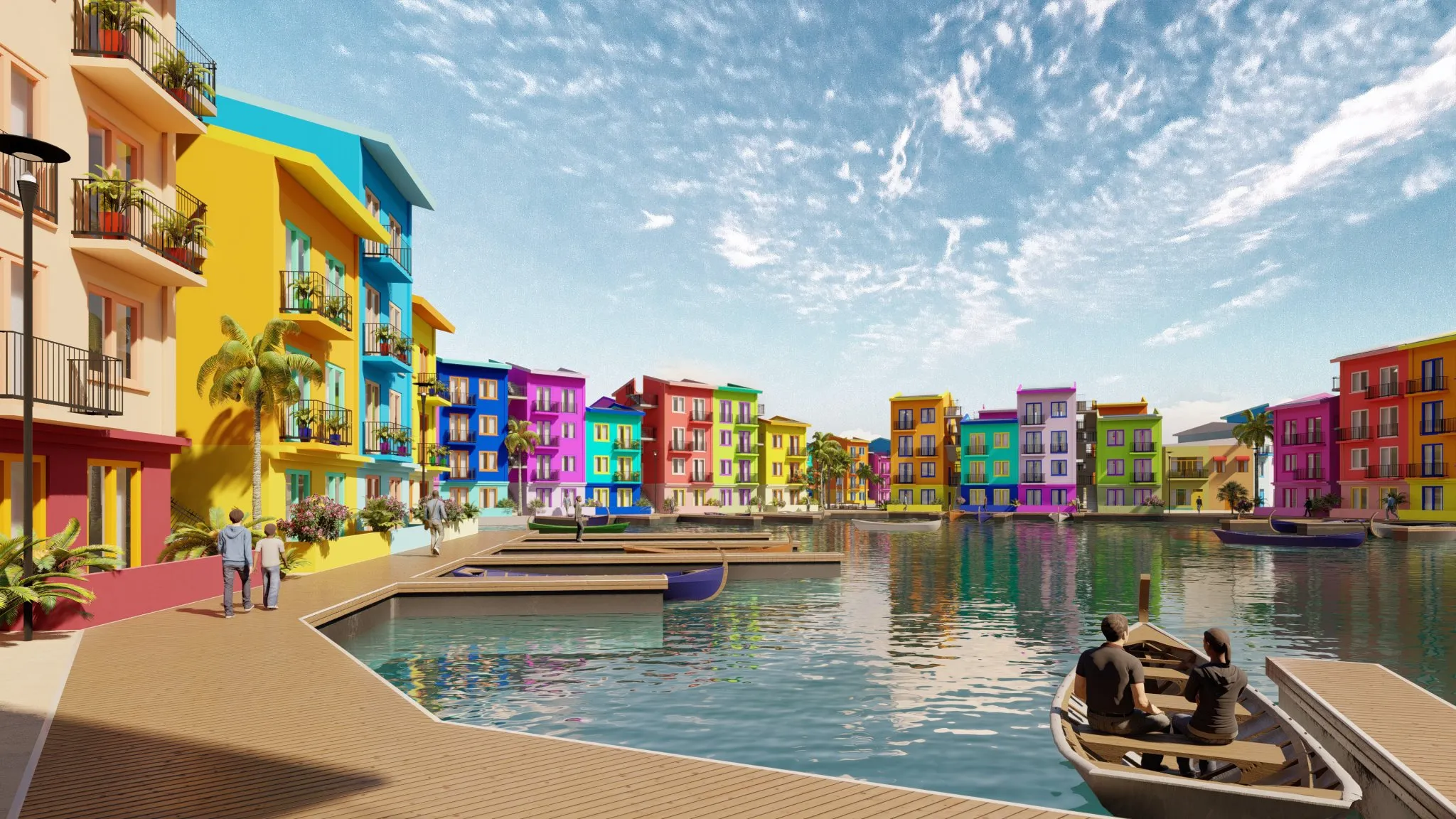
Responding to dynamic demand, weather, and climate change, the smart grid utilizes innovative sustainable development technologies and proposes ecological practices to protect, preserve, and enhance the marine ecosystem. Constructed at a local shipyard, the units are mounted on a large underwater concrete hull anchored to the seabed on telescopic steel legs. The underwater coral reefs, along with a network of interconnected floating structures, will act as natural wave breakers, providing comfort and safety for residents.

9. Chengdu Future City
Location: China
Architect: OMA

Designed by OMA for the capital of China’s Sichuan province, Chengdu Future City is a car-free master plan that focuses on the region’s existing geography and topography. The city, shaped by the question, “How can a master plan for the innovation industry be innovative in itself?”, defines the urban typologies and their organization within the existing topography, greenery, and water systems program on the site, resulting in a new type of master plan that combines urban and rural qualities in China.

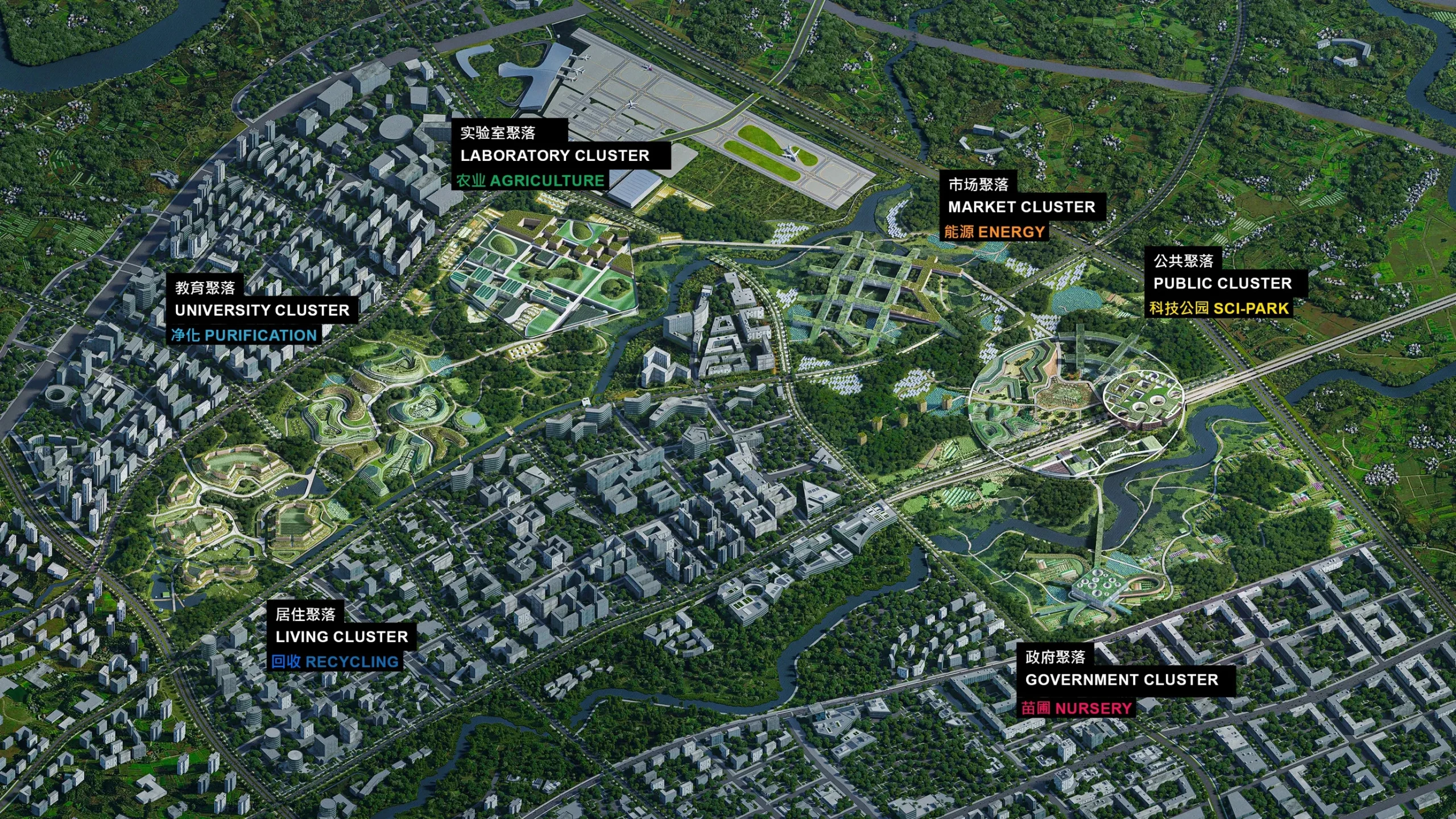
Inspired by the Lin Pan villages of Chengdu, the 4.6-square-kilometer master plan consists of six clusters, each defined by its program and highlighting a specific architectural typology and its relationship to topography and local water systems. The Living Cluster, featuring commercial programs on the ground level and residential developments above, is centered around a reservoir that evokes the site’s water elements.
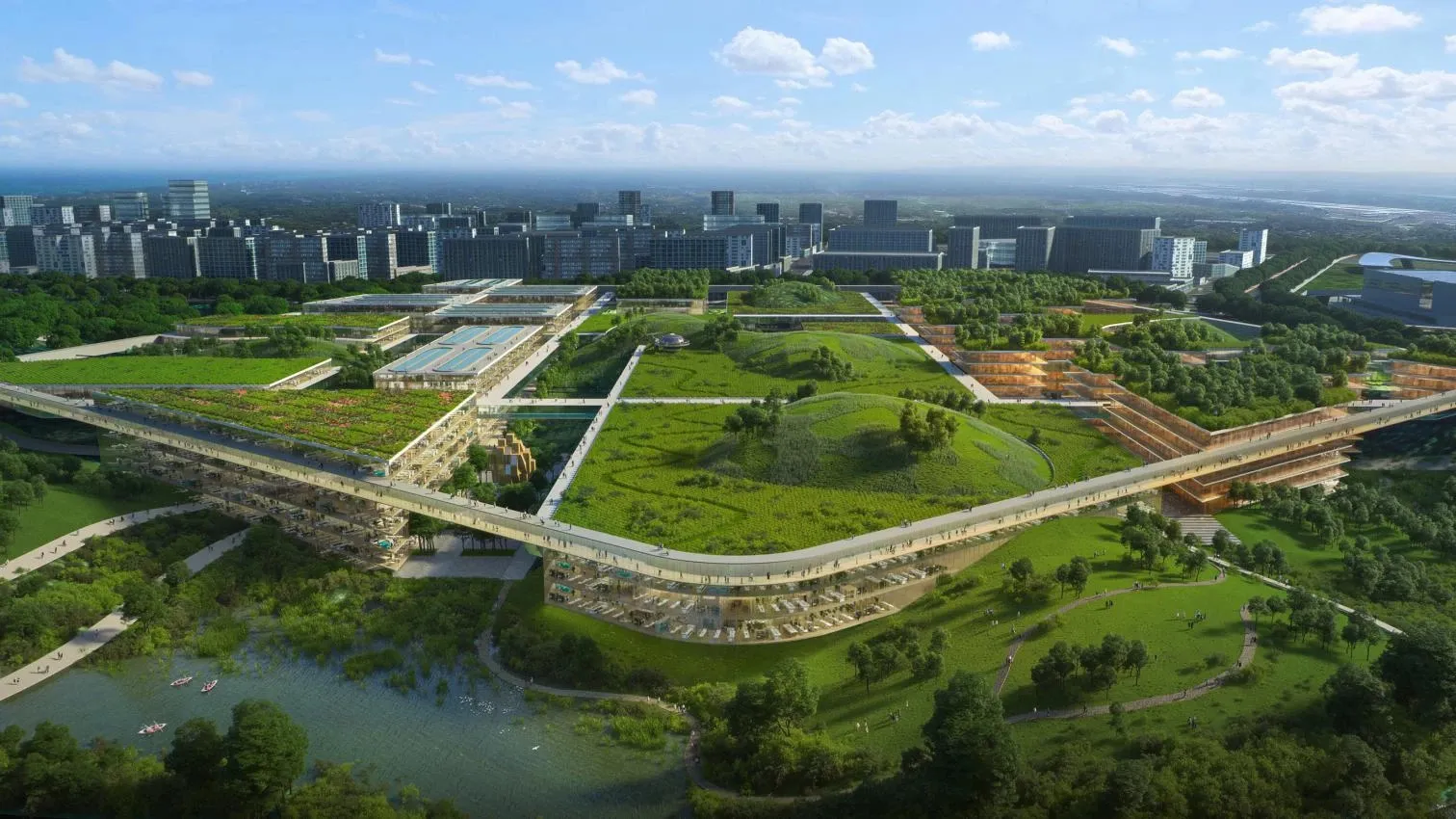
The University Cluster, featuring hill-like landscaped terraces, will feature a biofiltration system where the buildings’ extensive rooftops will become rain gardens, filtering water and collecting it in underground storage tanks and ponds. The University Cluster is connected to the Laboratory Cluster, located in the wetland, by walkways and bicycle paths. Featuring research gardens, the Laboratory Cluster also includes rooftop agricultural systems equipped with facilities for innovative experiments.
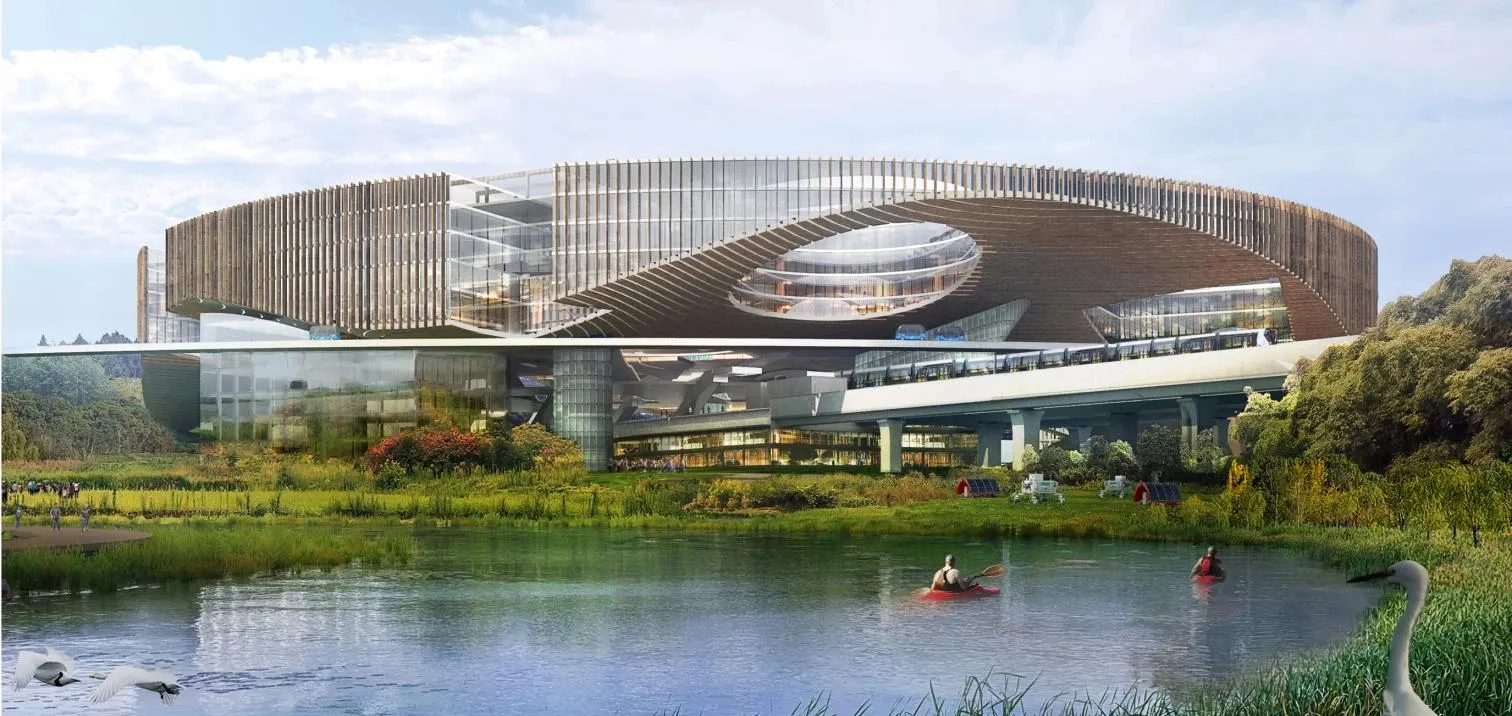
The Market Cluster, an elevated grid structure with commercial and public facilities on the ground floor and residential developments and offices above, is characterized by its use of hydroelectricity. The Public Cluster, a raised circular volume to which all train and transportation facilities will be connected, will be a Transportation-Oriented Development (TOD) with public spaces and support for research, exhibition, and production programs. Situated atop a riverfront hill, the Government Cluster comprises five office buildings encircling a central block.

All clusters will be free of vehicular traffic and scaled so that every destination is reachable within ten minutes. They will be connected to the train station and surrounding urban areas through an intelligent mobility network designed for autonomous vehicles.

10. The Line
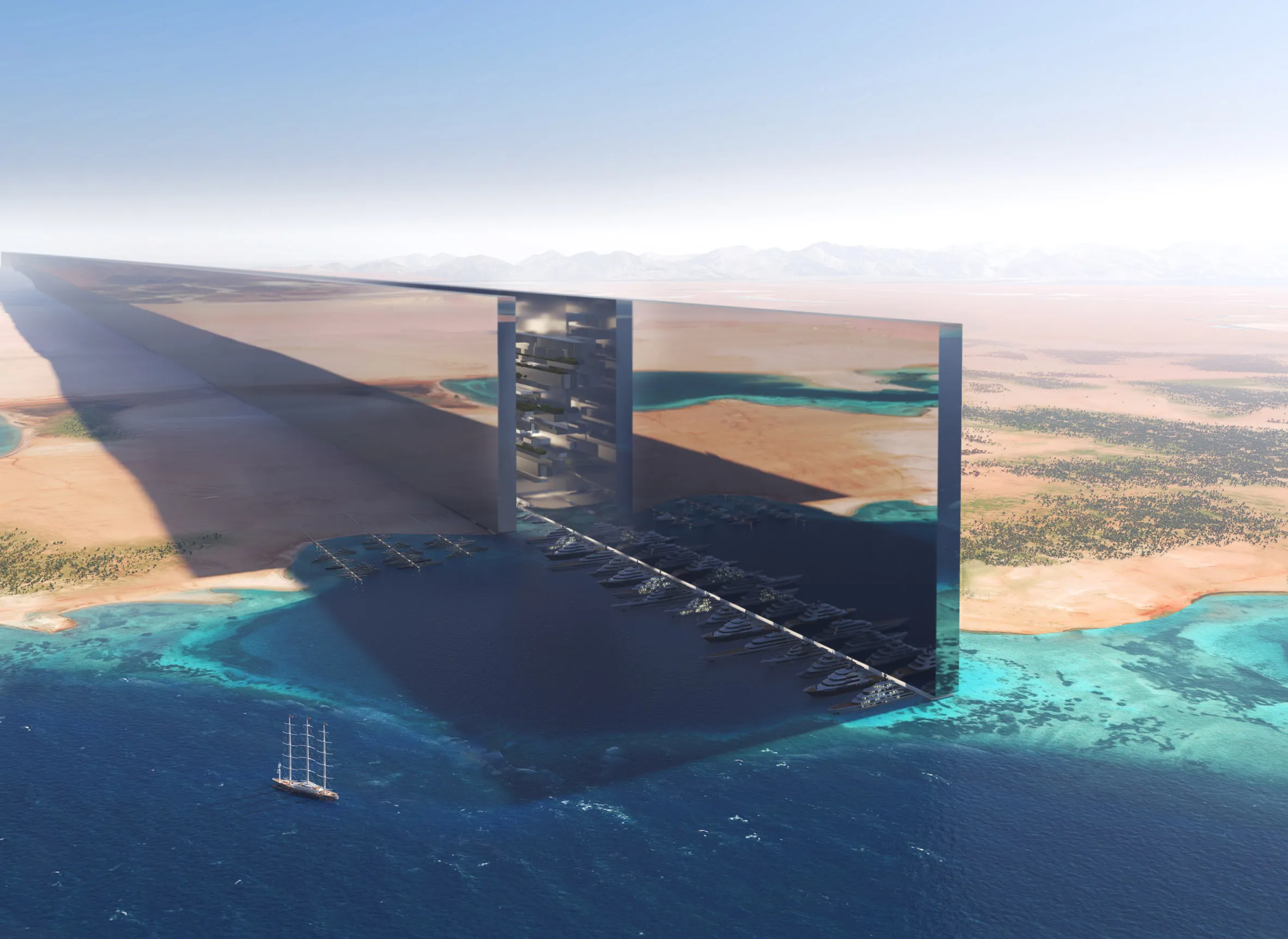
Location: Saudi Arabia

As one of the most ambitious architectural and urban projects of the 21st century, The Line, designed within the NEOM (New Future) development, serves as a model for preserving nature and enhancing human life. Planned to be built along a 170-kilometer stretch in northwest Saudi Arabia, the megastructure with mirrored facades will be 500 meters high and 200 meters wide.
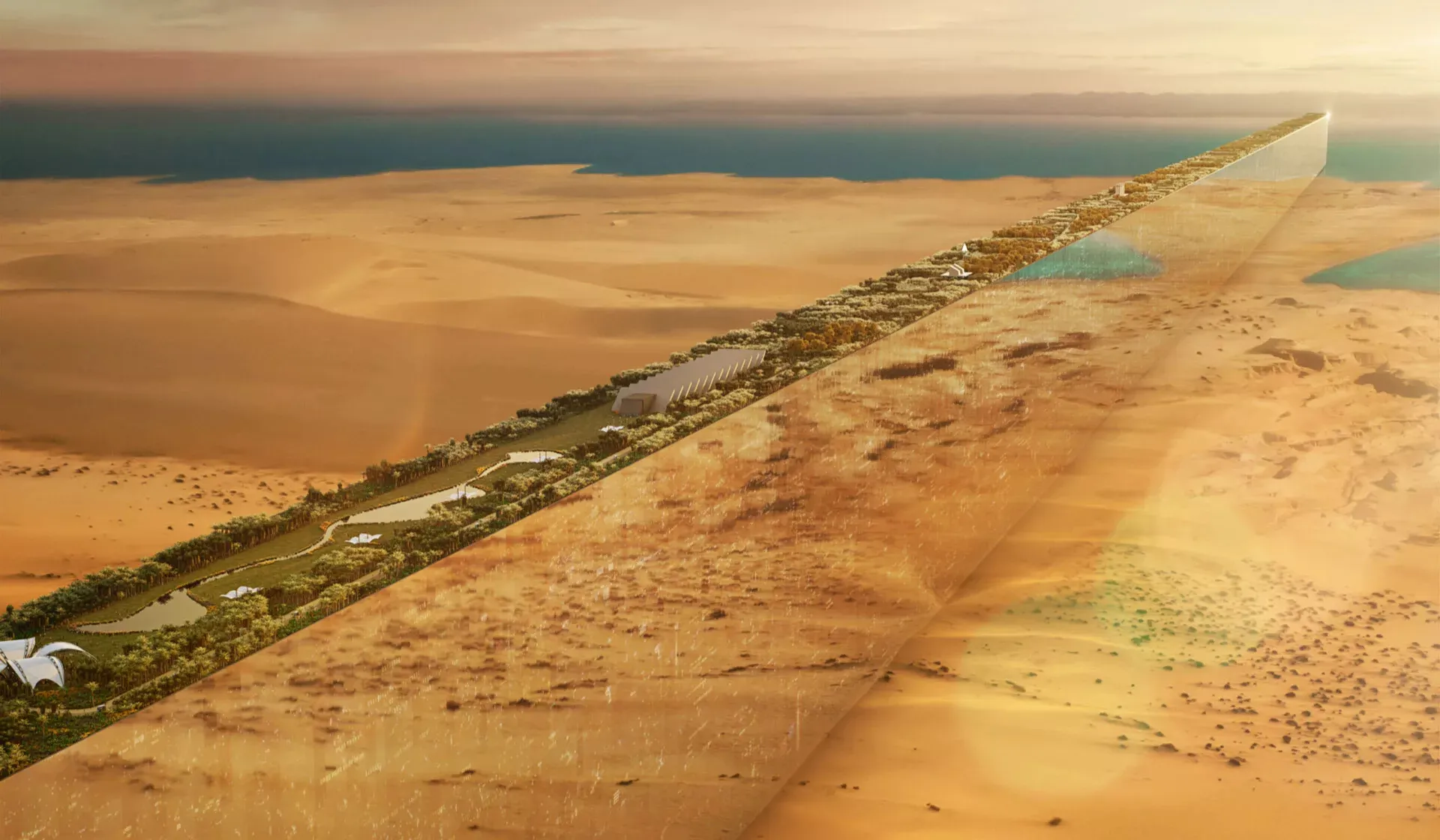
A dramatic alternative to traditional cities that radiate from a central point, The Line addresses the challenges humanity faces in today’s urban life and illuminates alternative lifestyles. Comprised of two wall-like structures with open space between them, the city will be the 12th-tallest building in the world upon completion and by far the longest structure. The project, expected to house 9 million people, will include housing, shopping, and recreational areas, schools, and parks. Designed with the principles of Zero Gravity Urbanism, The Line will layer various functions.
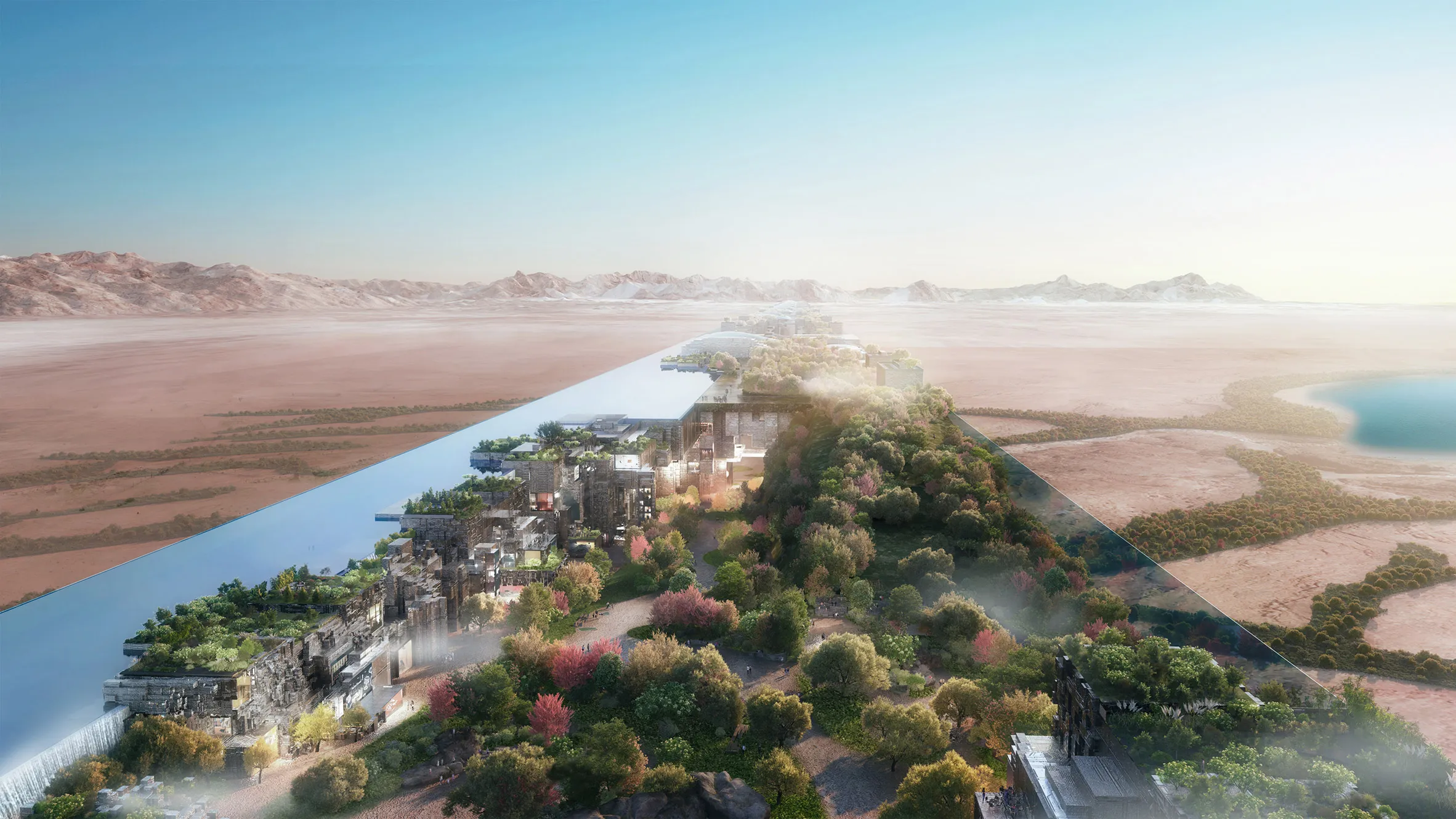
Featuring a mirrored exterior façade that defines its unique character and enables even its minimal footprint to blend into the natural surroundings, The Line’s interior is designed to offer extraordinary experiences and immersive moments. A transportation system will run the length of the megastructure, connecting the two ends of the city in 20 minutes.

* *
Giant 3D map shows almost every building in the world

Giant 3D map shows almost every building in the world

Image : ZME SCIENCE

A giant 3D map shows almost every building in the world

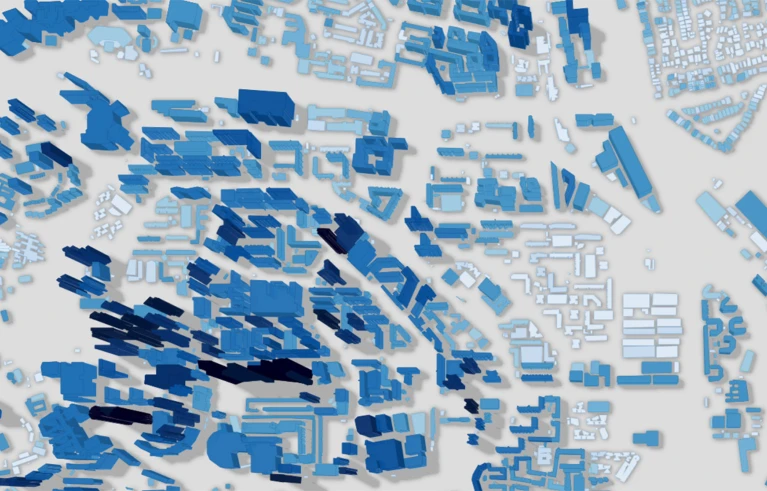
An aerial building model of structures in Singapore with heights highlighted in different shades of blue.

Three-dimensional maps, such as this one of a district in Singapore, could help researchers to keep track of urban planning, disaster risk assessment and climate change.Credit: Zhu et al./ESSD

Scientists have produced the most detailed 3D map of almost all buildings in the world. The map, called GlobalBuildingAtlas, combines satellite imagery and machine learning to generate 3D models for 97% of buildings on Earth.

The data set, published in the open-access journal Earth System Science Data on 1 December1, covers 2.75 billion buildings, each mapped with footprints and heights at a spatial resolution of 3 metres by 3 metres.

The 3D map opens new possibilities for disaster risk assessment, climate modelling and urban planning, according to study co-author Xiaoxiang Zhu, an Earth observation data scientist at the Technical University of Munich in Germany. It could also help to improve how researchers monitor United Nations (UN) Sustainable Development Goals for cities and communities, Zhu adds.

Billions of buildings

Conventionally, creating detailed 3D maps at a global scale has been difficult, say Zhu, because it usually requires either laser scanning or high‑resolution stereo imagery. The team’s solution was to combine deep learning with laser-scanning techniques to predict building heights. The tool was trained on reference data obtained using light detection and ranging (LiDAR) from 168 cities, mostly in Europe, North America and Oceania.

The researchers created the 3D maps from approximately 800,000 satellite scenes captured in 2019, using the deep-learning tool to predict building heights, volumes and areas.

The study found that Asia accounts for nearly half of all mapped buildings in the world — approximately 1.22 billion structures. Asia also dominates the total building volume at 1.27 trillion cubic metres, reflecting rapid urbanization and dense metropolitan clusters in China, India and southeast Asia.

Africa has the second largest number of buildings, at 540 million, but their combined volume is only 117 billion cubic metres, underscoring the prevalence of small, low-rise structures.

City-scale analyses illustrate how building volume correlates with population density and economic development. In Europe, Finland has six times more building volume per capita than does Greece. The study also highlighted that Niger’s per-capita building volume is 27 times below the world average.

These patterns suggest that conventional 2D measures of urban growth, such as built-up areas, might obscure crucial differences between infrastructure and living conditions.

An aerial model of structures in Changsha, China, overlayed on a map of the city. Heights of buildings are highlighted in different shades of blue.

An aerial model of structures in the Chinese city of Changsha.Credit: Zhu et al./ESSD, (Basemap ©CARTO and ©OpenStreetMap contributors)

Disaster risk assessment

Dorina Pojani, an urban planning researcher at the University of Queensland in Brisbane, Australia, says that the data set would be extremely valuable for her research, because she has previously relied on static, 2D data.

“Since this can be regularly updated it will be very valuable over the next five to ten years, as the data set will reveal how urban areas develop over time,” Pojani says.

She says that the data set presents fresh opportunities to study corruption, allowing researchers to “link buildings or projects to specific developers, firms or politically connected actors, and ask whether certain networks of people are disproportionately represented in high-value or strategically located projects”.

Pojani says her previous research has linked informal settlements with election outcomes2. Political parties often ignore “such settlements when there is an election coming up”, she adds. With a more dynamic data set, Pojani says her work could involve more high-quality evidence.

Liton Kamruzzaman, a transport and urban planner at Monash University in Melbourne, Australia, says that the data set has a lot of potential to help track urbanization around the world.

“There are many parts in the world that do not have any information about how their cities and buildings are growing. This data set is great for everyone irrespective of where they are living,” he adds.

doi: https://doi.org/10.1038/d41586-025-04036-x

References

  1. Zhu, X. X., Chen, S., Zhang, F., Shi, Y. & Wang, Y. Earth Syst. Sci. Data17, 6647–6668 (2025).

    Article Google Scholar

  2. Merkaj, E., Imami, D., Pojani, D. & Lami, E. Polit. Geogr. 113, 103155 (2024).

How AI is transforming the future of the built environment

How AI is transforming the future of the built environment

Image : Rethinking The Future

How AI is transforming the future of the built environment

Vector Polygon dot connect line shaped AI. Concept for machine learning and artificial intelligence.
©undefined undefined | iStock, via Trimble

Artificial Intelligence has been part of our technological landscape for years, but its capabilities are rapidly advancing. The construction industry, in particular, is witnessing unprecedented changes driven by AI, with technology being used in ways unimaginable just a year ago. Benedict Wallbank, partnerships and digital construction strategy manager at Trimble, discusses further

Many of us already use AI assistants to some degree, such as ChatGPT. In fact, many are of the belief that we are at the start of a revolution that will profoundly reshape human society. For the construction industry, this transformation brings both immense opportunities and critical questions.

The vast bulk of AI applied in the construction industry today is “narrow AI”, which is trained to perform a single task, often better and faster than a human can. This is the main type of AI that is currently in use, powering everything from chatbots to workflow automation.

However, a more transformative change is on the horizon: AI with autonomous, agent-like behaviour that can plan, make decisions and execute complex tasks with less human input.

The next wave: Agentic AI and new business models

Greater change is on the way in the form of Artificial General Intelligence (AGI), also known as Agentic AI. Unlike narrow AI, AGI can apply previous learnings and skills to accomplish new tasks in a different context, without needing to be retrained by humans. This allows it to learn and potentially perform virtually any intellectual task a human can.

This evolution will have profound economic implications. According to Jari Heino, vice president & GM, BIM & Engineering at Trimble in Finland, our entire business model may be affected: “AI agents will eventually work somewhat independently, which opens up a whole new world. Which of our tasks can – and should – AI take over?”

The interest in AI within the construction sector is significant, with many seeking to understand its practical value. The true potential of AI lies not in replacing humans, but in eliminating the tasks that humans shouldn’t be doing in the first place.

Redirecting human potential

By automating repetitive, cognitively mundane and even dangerous work, AI frees up human resources to tackle more pressing and skilled challenges, allowing us to confront the labour shortage crisis head on.

In many ways, the time spent on repetitive tasks that could be easily automated represents wasted human potential. Instead, AI can redirect our skilled workforce towards the more pressing challenges and complex jobs, rather than consuming it with routine.

The result isn’t just about improving productivity and efficiency levels – it represents a fundamental shift in what construction professionals can accomplish.

Unlocking trapped data

Perhaps one of the industry’s most persistent challenges is fragmented data. A plethora of proprietary formats means that information can get trapped and value is lost at every project handover. While standards are important, forcing everyone to work the same way is not always a practical solution. Instead, AI can help to organise data behind the scenes, allowing teams to maintain flexible work practices while achieving data harmony.

Benedict Wallbank, who is also a non executive director at NIMA (formerly the UK BIM Alliance), elaborates on this potential: “I’ve been obsessed with the challenges of data interoperability and how we efficiently get to quality, whole-life asset data. At NIMA, so many of our current discussions are on how AI will help us achieve that goal. My personal view is that Agentic AI will provide much of the solution. Do we still need classification and standards? Yes – but AI offers the potential ability to identify and map data that is currently trapped within documents, drawings, models, scans and reality capture.”

Industry-native AI in action

While the world has seen great strides in general purpose AI, attention is turning to industry-native solutions that speak the language of construction. These specialised tools are focused on solving practical problems, understanding context and integrating with existing workflows.

Within Trimble, AI adoption is already widespread, from using it to speed up code writing to enhancing software solutions, all with the focus of streamlining design, modelling and field workflows.

AI enables users to modify 3D models with text prompts, automate geometry creation and classify models efficiently. It performs automated document classification, checks compliance in BIM models, analyses change orders, identifies road defects and runs energy simulations.

In the field, AI can monitor site safety by identifying PPE compliance and hazard zones, as well as comparing scans with models in order to detect deviations. AI aids in finding content, creating materials and detailing designs, providing comprehensive support for various needs.

Navigating the future with trust and responsibility

As AI becomes more autonomous, questions of trust, accountability and regulation are critical.  Global approaches to regulation vary.  The UK has set out five key principles to be policed sector by sector, while the EU is taking a centralised approach, establishing a shared supervision and enforcement regime.

The US has opted for a lighter touch, leaving regulation to existing laws and individual states to encourage innovation.

The more we hand over tasks to autonomous systems, the more important it becomes to define when a human needs to be involved. Like all things, AI is not infallible. We build systems around the reality of human fallibility, and yet we expect near-infallibility from automated systems.

Regardless, it’s clear that the AI genie has escaped its bottle and is in the process of reshaping the industry. The firms that thrive won’t be those that race to implement every new innovation but those that ask deeper questions of it: which human capabilities should we amplify? How do we preserve the irreplaceable judgment that comes from years of experience in the field?

The organisations that navigate this transition with strategic clarity, understanding that AI serves the builder rather than replacing the craft, will forge the sustainable path forward.

Ben Wallbank

Digital Construction and Partnerships Manager
Trimble
+44 0800 048 8152
vp_uksales@trimble.com

*

Learn more about Trimble, here: www.trimble.com/construction.

*

*


How artificial intelligence is helping urban planners

How artificial intelligence is helping urban planners

Planners and researchers are turning to artificial intelligence to better understand how people move, live and work – while keeping human judgment at the heart of city building.GETTY IMAGES


.

From housing demand to traffic congestion, city planners have long relied on imperfect models to predict how people move and live. Now, artificial intelligence promises to make those forecasts more accurate.

Mohamad Khalil, a transportation engineering researcher who is currently a postdoctoral fellow at the University of Alberta, has been interested in machine learning long before it was trendy.

“I actually started working with machine learning in 2014,” he says. “To me, at the time, it seemed very appealing and very futuristic and an important next step to [urban planning] modelling.” Mr. Khalil says that most urban planning models, which were developed 50 or 60 years ago, are overly simplistic.

“It assumes that humans are 100-per-cent rational and will choose the best option for their own sake,” he says. “For example, you will choose the best route to go to work based on travel time. However, this is not 100-per-cent true. Sometimes, for some reason, you might choose another route.” In comparison, machine learning models are able to use countless data points collected from devices such as mobile phones and vehicle GPS systems to create more complex models, faster and with greater accuracy.

“Machine learning excels with complicated behaviour,” he says.

Mr. Khalil, who conducted his PhD thesis in transportation engineering at the University of British Columbia, built a “modelling suite” – a collection of tools that help simulate and visualize different land-use scenarios using AI to make better predictions that factor in changes across urban, transportation and demographic systems.

“If we’re implementing a policy, how is that policy going to affect a city?” Mr. Khalil says. “If 20 per cent of people are working online compared to 100-per-cent remote, maybe we’ll see less traffic on our roads, maybe people need bigger homes if both partners are working from home and maybe they don’t need two vehicles.”

He envisions his research and modelling tools being adopted by city planners and decision-makers.

“We present to them the different scenarios that could happen,” he says. In turn, planners can make decisions and recommendations to elected officials about infrastructure development such as zoning, building new transit lines and housing.

By considering multiple scenarios, which can be produced quickly and accurately, urban planners can take a more creative and flexible approach to their work by experimenting with different parameters and possibilities.

That ability to test real-world scenarios before making costly infrastructure decisions is already taking hold in Canadian cities.

Ryan Smith, divisional director of planning and development services for the City of Kelowna in the southern interior of British Columbia, has been using predictive modelling to make more informed decisions and recommendations for nearly a decade, although he says the technology has improved recently to analyze larger data sets.

“We’re flying less blind now,” he says. Kelowna has been an early adopter of such technologies. One example is an AI-enabled predictive modelling tool Mr. Smith uses to see what neighbourhoods are likely to be redeveloped soon. These are typically areas with older homes and buildings that might be demolished soon and rebuilt with additional housing density.

“We know what year a house was built, whether or not the owner lives in the house, the improvement value on the property and how much the building is worth,” he says. “We can create a probability of redevelopment with that data and make smarter infrastructure decisions.”

That might look like curb, gutter, sidewalk and street tree improvements, replacing and upsizing sewer and watermains or improving electrical infrastructure in neighbourhoods that are likely to see a higher rate of redevelopment and therefore an increase in residents. These tools allow planners like Mr. Smith to “get ahead” of risks, such as ensuring neighbourhoods have sufficient infrastructure to support more residents.

But while some planners see clear benefits to integrating AI into city planning, others caution against letting the technology steer too much of the process.

Pamela Robinson, a professor at Toronto Metropolitan University’s School of Urban and Regional Planning, cautions against becoming too reliant on it.

“I would argue that AI could be an input into research and decision support, but it shouldn’t be making the decisions,” Ms. Robinson says. “Planners need to stay in charge and be the humans in the loop around the sound professional advice they offer.”

Ms. Robinson sees the potential for AI to improve city building in several different ways, from expediting the approvals process for issuing building permits to platforms for public engagement and consultation and design decisions, such as what types of cladding on a building have lower greenhouse gas emissions. However, she encourages urban planners, decision makers and elected officials to use these technologies with care.

“I think planners are appropriately curious and cautious, and I think that’s a good thing,” she says. “The planners that we’ve worked with want to deliver good outcomes for their residents and they’re committed to their work and the communities where they’re planners. There’s a lot of hype around these tools. It’s early days and I think this kind of curiosity and caution will serve Canadian cities well.”

*

*

Urbanization is projected to increase local surface temperature

Urbanization is projected to increase local surface temperature

Image: ScienMag

Urbanization is projected to increase local surface temperature by 2100


Abstract

Future projection of global land surface temperature often emphasizes climate change while neglecting urbanization. Yet, urbanization-induced warming strongly influences heatwave-related health risks and energy demands. Here, we developed a 1-km resolution global land surface temperature dataset for 2020–2100 at five-year intervals, combing climate change-induced global warming and urbanization-driven local warming, which were estimated using multi-model ensemble projections, and a dynamic regression model linking impervious surface area and local temperature, respectively. Our dataset aligns closely with satellite observations, showing high spatial and temporal consistency. By 2100, urbanization contributes an average local warming of 0.1 °C, with approximately 10–16% of urban areas experience extreme warming exceeding 1 °C. Urban areas remain warmer than the global mean, whereas their warming rates are 0.5–8% lower than the global average under all scenarios. The derived dataset enables improved assessments of urban heat risks assessments and supports climate-resilient urban planning.

Introduction

Global rapid urbanization has intensified the urban heat island (UHI) effect, raising worldwide sustainability concerns. By altering urban land surface properties, urbanization amplifies UHI, a trend well-documented in recent studies. This intensification, in turn, threatens human health through heatwaves, increases energy consumption, and disrupts water–atmosphere interactions, thereby challenging future sustainable development. As a key indicator, surface UHI (SUHI) is particularly valuable due to its high spatiotemporal resolution and is widely applied in urban planning, climate research, public health, and environmental protection.

Satellite-derived land surface temperature (LST) is central to assessing SUHI and its dynamics. SUHI is typically quantified as the urban-rural LST difference. Moreover, LST provides consistent, repeatable observations across diverse spatial (local to global) and temporal (diurnal to interannual) scales, supporting analyses of thermal environments and the estimation of air temperature. With sensors such as the Moderate-Resolution Imaging Spectroradiometer (MODIS), the Advanced Spaceborne Thermal Emission and Reflection Radiometer, and the Land Remote-Sensing Satellite series, large-scale SUHI assessments are feasible owing to their complementary spatial and temporal resolutions. Looking ahead, as global warming and urbanization persist, SUHI is expected to intensify.

However, explicit projections of future urban heat patterns remain limited. While some studies employ Earth System Models and General Circulation Models from the Coupled Model Intercomparison Project Phase 6 (CMIP6) to estimate temperature, these models lack detailed urban representation. Models such as the Community Earth System Model incorporate urban processes but remain constrained by coarse resolution and simplified parameterizations. In contrast, Regional Climate Models offer finer-scale detail through downscaling, yet they are computationally intensive and less applicable for global-scale analyses.

To address this gap, we developed a global 1 km LST dataset (2020–2100) that integrates the combined effects of both climate change and urbanization. First, we quantified global warming driven by climate change using a multi-model ensemble of CMIP6 surface temperature projections. Next, we estimated urbanization-induced warming by establishing dynamic regression models between MODIS-derived LST and impervious surface area (ISA). These models were iteratively updated and applied to projected ISA time series to characterize the urbanization-induced warming. Finally, by combining climate and urbanization components, we generated a 1 km LST dataset for 2020–2100, capturing both large-scale climate impacts and localized urban heat amplification to support advanced thermal analyses.

Results

Historical relationship between changes in ISA and LST

The response of LST change (ΔLST) to ISA change (ΔISA) from 2003 to 2020 exhibits pronounced global spatial heterogeneity (Fig. 1). The historical slopes predominantly range from −0.04 to 0.04 °C per %, with 68% of analyzed cities experiencing increased warming alongside ISA expansion. In  contrast, some cities show a negative ΔISA–ΔLST relationship, where  each unit increase in ΔISA corresponds to a decrease in ΔLST, resulting in slightly lower LST values (Fig. 1a). Cities with high slopes are concentrated in rapidly urbanizing regions, including parts of Africa, East and Southeast Asia, and northern South America, reflecting intensified urban heat effects in these areas. Statistically, more than half of the cities exhibit significant correlations (p < 0.1) (Fig. 1b), particularly those undergoing rapid urbanization (Supplementary Fig. 1). Across climate zones, LST consistently increases with ISA growth, though the magnitude of response varies substantially. Tropical and temperate regions show stronger warming, with average slopes of 0.0187 °C per % and 0.0125 °C per %, respectively (Supplementary Fig. 2), likely driven by rapid urbanization and local climatic conditions. For instance, Guangzhou, a representative rapidly urbanizing city, experienced a 100% increase in ISA, accompanied by a strong positive ΔISA–ΔLST  correlation from 2003 to 2020 (Supplementary Fig. 1). By contrast, despite being located in a temperate zone, Washington D.C. experienced less than half the warming observed in Guangzhou, likely due to its more mature stage of urban development (Supplementary Fig. 1). Arid and cold regions exhibit comparatively modest responses, with average slopes of 0.0022 °C per % and 0.0076 °C per % respectively (Supplementary Fig. 2), likely attributable to lower solar radiation, limited anthropogenic heat sources, and the high-albedo effects of vegetation or snow cover. For example, Helsinki shows only about one fifth of Guangzhou’s LST response, despite a 70% increase in ISA (Supplementary Fig. 1). This climatic variation underscores the crucial role of environmental context in modulating the thermal impacts of urbanization, highlighting the sensitivity of the ΔISA–ΔLST relationship across climatic zones.

Fig. 1: Linear relationship between ΔLST and ΔISA.
figure 1

a Slope derived from historical observations. b Statistical significance of the linearly fitted model. The analysis included 6359 level-2 administrative units from Database of Global Administrative Areas with urban areas larger than 100 km². Base map source: Esri ArcGIS Online (public domain).

Spatial consistency of historical and future LST

Our estimated LST under diverse Shared Socioeconomic Pathways–Representative Concentration Pathways (SSP-RCP) scenarios show strong spatial consistency with MODIS-observed LST during the historical period and preserves these spatial patterns in future projections (Fig. 2 and Supplementary Fig. 3). Globally, projected LST by 2100 under the SSP5-RCP8.5 scenario indicates a substantial increase, with high warming zones concentrated in northern and southern Africa, Australia, and the Middle East, where values may exceed 40 °C (Fig. 2a). Climate change-driven warming dominates this pattern, affecting nearly all regions in accordance with the overall LST distribution (Fig. 2b). In urban contexts, rapid urbanization further amplifies warming, particularly in suburban areas of cities such as Beijing, Indianapolis, Bangalore, and Accra, where warming gradients intensify toward the periphery (Fig. 2b). Although smaller than the effects of climate change, urbanization-induced warming remains pronounced in these expanding regions. At the global scale, estimated LSTs correlate well with MODIS-observed LST in 2020, achieving an R2 exceeding 0.9 (Supplementary Fig. 4). At the city scale, ~70% of cities exhibit R² values above 0.7, with representative cases such as Chicago (0.89), New Delhi (0.90), and Beijing (0.82) under the SSP1-RCP2.6 scenario (Supplementary Fig. 5). This strong spatial coherence underscores the robustness of our projections for future thermal patterns.

Fig. 2: Spatial patterns of future LST in 2020 and 2100.
figure 2

a Spatial patterns of future LST globally under the compounded warming effect of climate change and urbanization in 2100 under the SSP5–RCP8.5 scenario. b Detailed information of four representative cities in Beijing, Indianapolis, Bangalore and Accra. Note: the terms “Compounded”, “Urbanization” and “Climate change” refer to future LST under the compounded warming effect of climate change and urbanization, warming solely from climate change, and warming exclusively from urbanization, respectively. This nomenclature will be maintained throughout. Same base map source as Fig. 1.

Read more on Nature text and related references (deleted here for ease of reading).

**