
.
IRENA: More than 90% of new renewables are already cheaper than any fossil fuel power plant
.
By Energía Estratégica • July 3, 2026
.
The agency warned that solar and wind energy are not only consolidating their cost advantage, but have also become a key factor in reducing exposure to gas volatility and strengthening energy security.
.
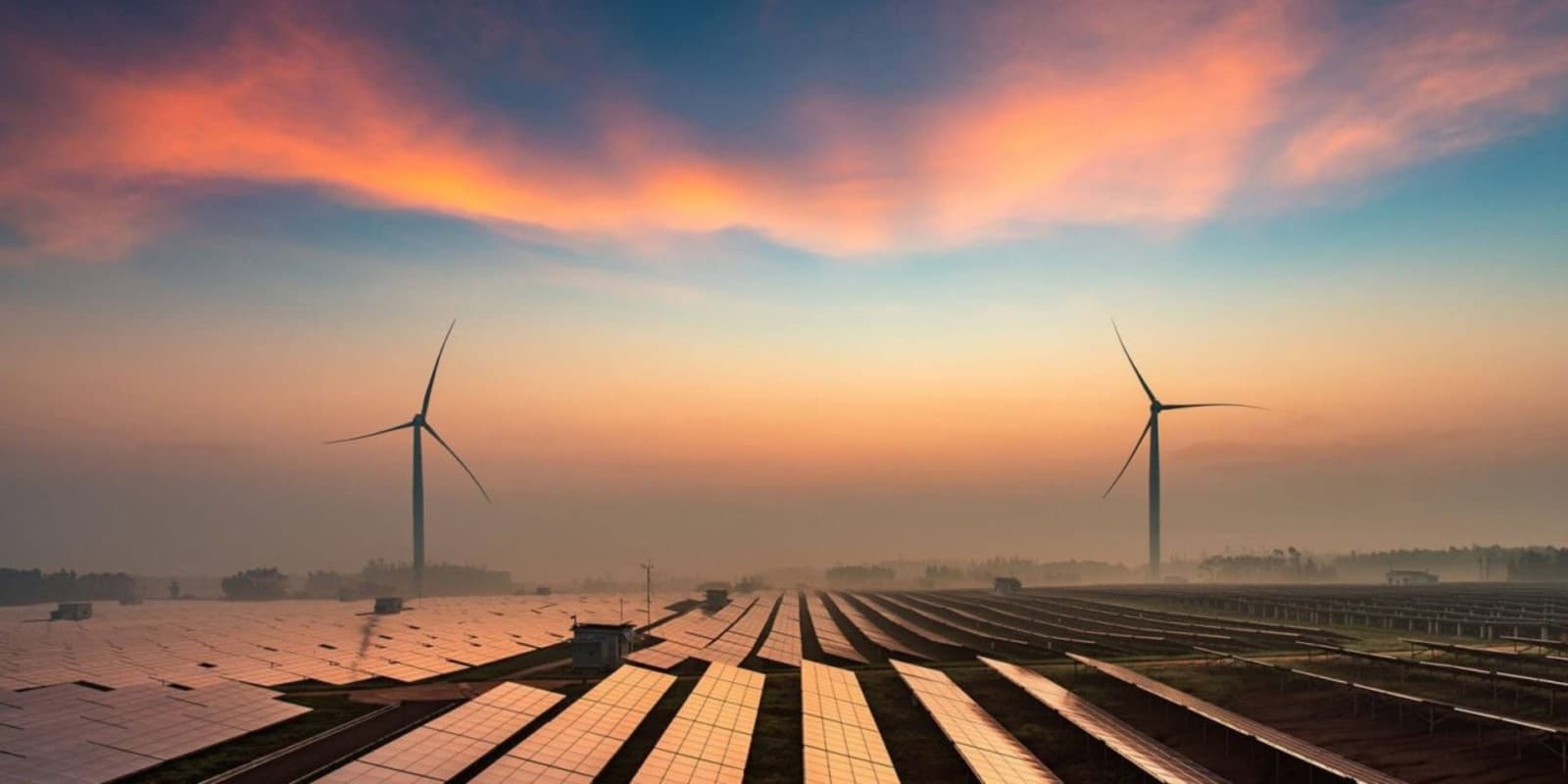
IRENA
.
Renewable energies consolidated their leadership as the most competitive option for adding new electricity generation capacity by 2025. But, in addition to the economic factor, they are beginning to play an increasingly strategic role in a scenario marked by geopolitical conflicts, volatility in fuel markets, and greater demands for energy security.
This is according to the report “Renewable Energy Generation Costs in 2025” , published by the International Renewable Energy Agency (IRENA), which concludes that more than 90% of the large-scale renewable capacity added during the year was cheaper than the lowest-cost fossil alternative .
The organization argues that the competitive advantage of clean technologies is no longer limited to the cost of generation: it also represents protection against international uncertainty and fluctuations in oil and gas prices.
Wind and solar power extend their lead
The report’s data shows that solar photovoltaic energy maintained an average cost of US$44/MWh , while onshore wind reduced its costs by 4% , to US$33/MWh , consolidating itself as one of the most competitive technologies on the market.
In the case of offshore wind , costs also continued to fall and reached US$78/MWh , 3% less than the previous year.
The contrast with fossil technologies was even more marked.
IRENA points out that the global shortage of turbines has practically doubled the capital cost to build new combined cycle power plants in the United States, while in markets with high gas prices, such as Germany, Italy and Japan , generation costs exceeded US$100/MWh .
Added to this is the uncertainty stemming from the crisis in the Middle East, which continues to put pressure on international gas markets.
A shield against energy crises
Beyond the cost of producing electricity, the report focuses on another growing benefit of renewables: reducing dependence on imported fuels.
According to IRENA, the currently installed renewable capacity made it possible to avoid purchases of fossil fuels of around US$480 billion during 2025 , reducing the exposure of numerous countries to the volatility of international markets.
“Every additional megawatt of renewable energy strengthens economic protection against fuel price fluctuations and protects consumers, businesses and public finances,” said Francesco La Camera, Director-General of IRENA.
The organization believes that the expansion of renewable energy generation has become a strategic investment both to improve economic resilience and to strengthen the competitiveness of countries.
The impact of the crisis in the Middle East
The report also analyzes the effects of the closure of the Strait of Hormuz that occurred in early 2026, which triggered a sharp increase in international prices for gas and other energy commodities.
In that context, existing renewable energy generation helped to mitigate the economic impact of the crisis.
In Indonesia, Thailand, and the Philippines alone, renewable energy installations avoided approximately US$5.7 billion in coal and gas purchases during 2025.
If those same volumes had been acquired during the peak prices recorded between March and May 2026, the cost would have amounted to approximately US$6.5 billion .
China leads the world in savings
IRENA’s analysis of the top twenty economies shows that renewable energy avoided US$377 billion in fossil fuel purchases during 2025.
China topped the ranking by a wide margin with US$177 billion , equivalent to almost half of the total savings.
Behind them were the United States , with US$35 billion , Brazil , with US$32 billion , Germany and India , with US$18 billion each, and Japan , with US$15 billion .
Costs will continue to fall, albeit more slowly.
Since 2010, solar photovoltaic energy has reduced its costs by 89% , while onshore wind power has fallen by 71% , concentrated solar power by 72% , and offshore wind power by 63% .
However, IRENA warns that the pace of that reduction could slow down.
The reorganization of the manufacturing industry in China, the increase in the prices of raw materials and components, the fall in investments in new factories and a trade context marked by greater tariff tensions are beginning to put pressure on installation costs.
Even so, the agency’s projections indicate that renewable technologies will continue to reduce their costs until 2035 , although at a slower rate than that recorded during the last decade.
.
.
.
Discover more from MENA-Forum
Subscribe to get the latest posts sent to your email.