
Skyline view of Riyadh’s modern architecture with distinctive skyscrapers. by Steven Jeffery via pexels
.
Middle East economic growth to slow to 1.8 percent in 2026, says World Bank
.
Middle East Economy Published: Thu 9 Apr 2026
.
The forecast stands 2.4 percentage points below the World Bank Group’s January projections
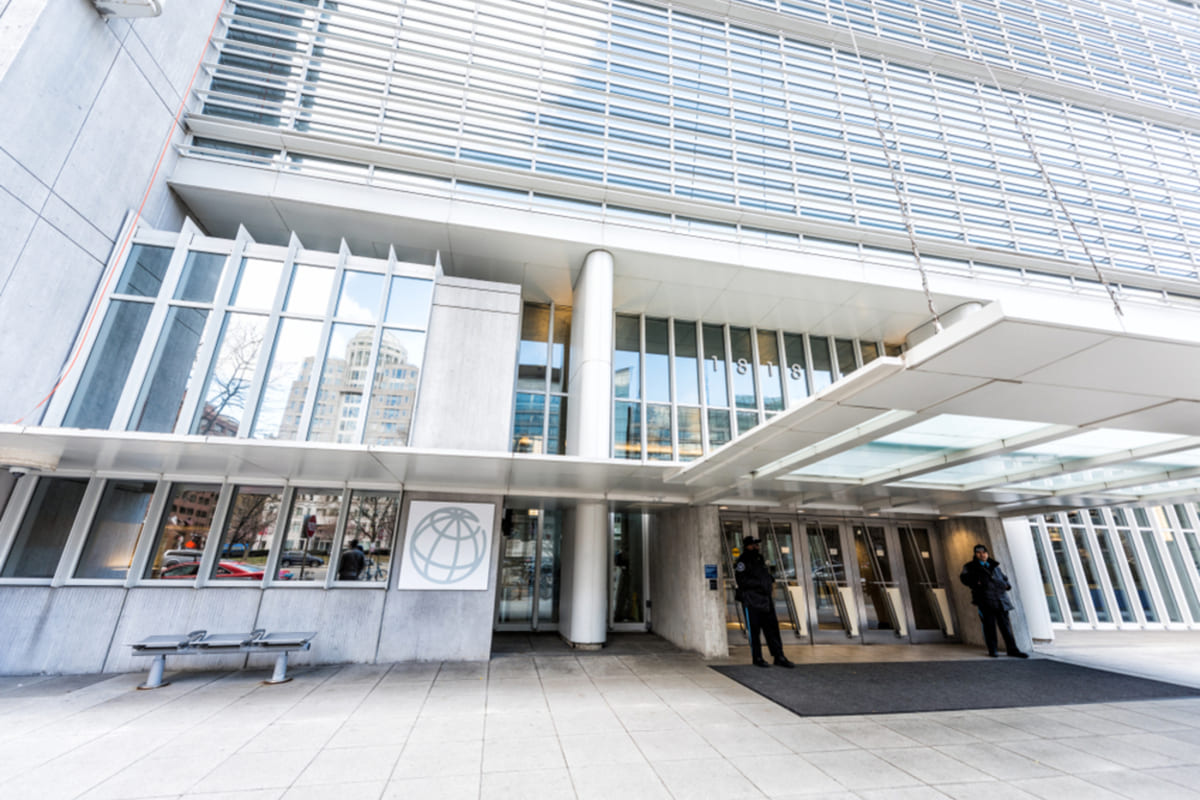
Economic growth in the Middle East, North Africa, Afghanistan and Pakistan (MENAAP) region is expected to slow from 4.0 percent in 2025 to 1.8 percent in 2026, according to the World Bank’s latest Regional Economic Updates.
This forecast stands 2.4 percentage points below the World Bank Group’s January projections.
Energy disruptions weaken 2026 growth outlook
The World Bank noted that the latest conflict in the Middle East has taken a serious and immediate economic toll on countries’ growth in the surrounding region. The closure of the Strait of Hormuz and destruction of energy and public infrastructure have disrupted markets, increased financial volatility and weakened the 2026 growth outlook.
The conflict also comes as an additional shock to a region already suffering from low productivity growth, limited private sector dynamism and persistent labor market challenges, underscoring the urgent need to strengthen governance and macroeconomic fundamentals and take action to boost long-term job creation and resilience.
“The current crisis is a stark reminder of the work ahead for the region: not only to weather shocks, but to rebuild more resilient economies with stronger macroeconomic fundamentals, innovate and improve governance, invest in infrastructure and boost employment-creating sectors,” said Ousmane Dione, World Bank Vice President for the Middle East, North Africa, Afghanistan and Pakistan.
“Peace and stability are preconditions for the region’s durable development. With peace and the right action, countries can build the institutions, capabilities and competitive sectors that create opportunities for people,” added Dione.
GCC growth projected at 1.3 percent in 2026
In the Middle East, the decline in economic growth is concentrated in Gulf Cooperation Council economies and Iraq, which are heavily affected by the conflict. The World Bank has downgraded growth in the GCC by 3.1 percentage points since January and now projects it to slow from 4.4 percent in 2025 to 1.3 percent in 2026.
The World Bank added that risks are tilted to the downside. In the event of a prolonged conflict, the current impacts on the region will be compounded through elevated energy and food prices, declining trade, tourism and remittances, increased fiscal pressures and displacement.
“As countries face the heavy toll of the present conflict, it is important to also not lose sight of the work needed for long-lasting peace and prosperity,” said Roberta Gatti, World Bank Group Chief Economist for the Middle East, North Africa, Afghanistan and Pakistan.
Read: Fed seen holding interest rates higher for longer on energy inflation risks
2026 growth revised lower across key regions
Projections differed in each region but were all revised downward. Sub-Saharan Africa’s economic recovery from a decade of global shocks is showing signs of stalling, with growth projections for 2026 revised downward by 0.3 percentage points from estimates previously published in October 2025.
In the East Asia and Pacific (EAP) region, growth is projected to slow to 4.2 percent in 2026 from 5.0 percent in 2025, as the energy shock due to the Middle East conflict compounds the adverse impact of elevated trade barriers, global policy uncertainty and domestic economic difficulties.
Growth in China is projected to decelerate from 5.0 percent in 2025 to 4.2 percent in 2026 and 4.3 percent in 2027.
Meanwhile, economic growth in the developing countries of Europe and Central Asia (ECA) is expected to weaken to 2.1 percent in 2026. The World Bank added that Latin America and the Caribbean (LAC) is projected to grow 2.1 percent in 2026, below the 2.4 percent recorded in 2025.
Finally, growth in South Asia is expected to slow to 6.3 percent in 2026 from 7 percent in 2025 due to disruptions in global energy markets.
.
.
Discover more from MENA-Forum
Subscribe to get the latest posts sent to your email.